Peptide kits run well ahead of Health NZ's plan as officials warn of a 'guinea pig culture'
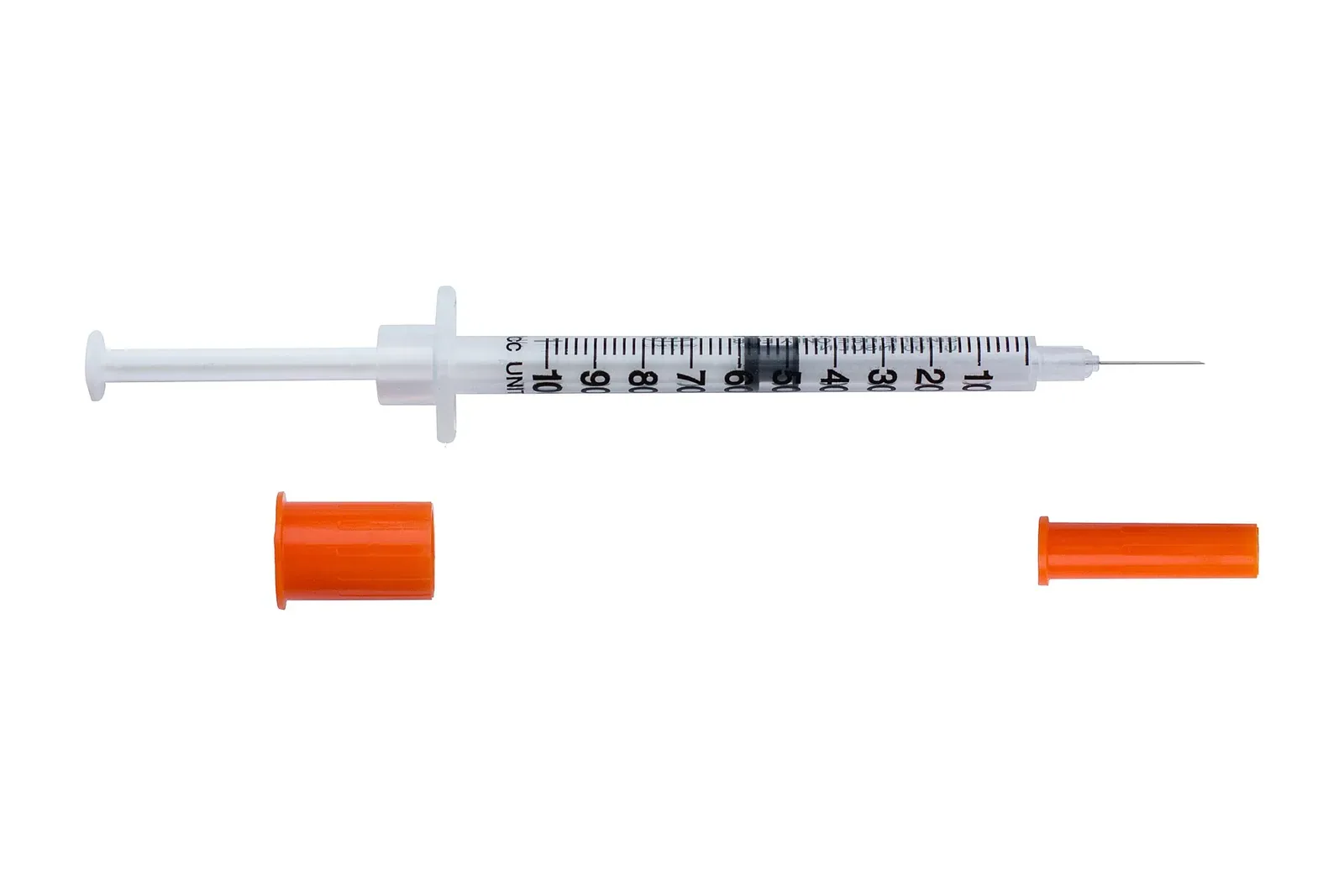
Health NZ has distributed more than 2,300 peptide-specific injecting kits since they launched on 15 September. Health NZ told Newsroom in September it planned to distribute about 1,000 a month; by then, 636 had gone to participating pharmacies.
At the planned rate, six weeks would have meant roughly 1,400 kits, so the actual figure is about 60 percent higher, a comparison Health NZ has not published.
Health NZ's 2,300 figure counts kits sent to around 190 pharmacies and regional needle exchange providers, not kits collected by people who inject. When Newsroom visited a partner pharmacy in September, staff had the kits in stock but no users had collected any.
Each kit holds syringes, needles, a returns container and an information leaflet. Deborah Woodley, Health NZ's director of maternity, child, youth and prevention, said in the release that uptake "reflects the significant demand for equipment tailored to peptide injecting". Many peptides are "injectable, unapproved medicines imported without a prescription", she said, and sterile equipment "does not imply endorsement of unapproved peptide use by Health NZ".
"I don't think we know the size and scale of the unapproved peptides in New Zealand," Bronwyn Petrie, Health NZ's group manager of population health, told RNZ's Morning Report, in a story republished by Safety News. Needle exchanges are confidential and keep no records of who uses them, she said, and from what Health NZ has heard, users range from people who go to the gym to a mother looking for something for her child.
Needles bought online through the needle exchange scheme rose from 26,731 in January to June 2025 to 141,523 in the same months of 2026, more than five times as many, the NZ Herald reported.
A Ministry of Health briefing to Mental Health Minister Matt Doocey, released to Newstalk ZB under the Official Information Act and reported by the Herald, said needle exchanges were seeing "around a doubling in clients and almost ten-fold increase in demand for peptide specific injecting equipment through the online store in the past year". Officials wrote that this was "putting pressure on equipment supply and disrupting the services for traditional, high-risk intravenous clients". Those are the people the programme was built for; according to Health NZ, it exists to reduce the spread of blood-borne infections and other harm from injecting.
Some services have rationed supplies, limiting clients to between six and 10 syringes, the Herald reported.
Supply was already tight. Carl Greenwood, general manager of the Drugs and Health Development Project, told Newsroom in September that the biggest increase was in insulin needles: "probably talking about a doubling, or three times if you're looking at it over the course of a year". A global insulin syringe shortage, he said, meant "we're never 100 percent sure when we're going to get our next delivery".
Woodley gave the Herald a lower number than the briefing did: some front-line sites, she said, have up to 30 percent more clients seeking peptide injecting equipment. The two figures may measure different things: Woodley's is for individual sites, the briefing's for exchanges overall.
The market "creates a 'guinea pig culture' where people experiment on themselves without medical oversight", the briefing said, because purity and dosing are unverified. It listed injecting injuries and bacterial contamination as short-term harms, with longer-term concerns including heavy metal poisoning and triggering eating disorders.
In May, Medsafe warned that unapproved peptide products "are illegal and potentially harmful" and can "cause serious and potentially life-threatening reactions", according to RNZ's report as republished by the Herald. The products it named included BPC-157, CJC-1295, Ipamorelin, melanotan II, retatrutide and TB-500. The ministry briefing said Medsafe had been working with Customs to stop imports at the border and take down New Zealand-based websites selling peptides, though the published reporting gives no figures for either.
Professor Chris Wilkins of the SHORE & Whariki Research Centre told the Herald that labels are often wrong or leave out ingredients. Dr Robin van der Sanden said Australia had issued public health alerts about particular batches of retatrutide after high doses sent people to emergency departments with acute liver damage.
Officials told the minister that eating disorder groups are anticipating increased demand for their services. Dr Meg Vardy of the charity JourneyED, who called for more funding and staff training, said: "The eating disorder sector needs support to prepare ourselves for what's coming."
Petrie said Health NZ had released a podcast about peptides and was working with the Ministry of Health and others on a response, and Health NZ's release says it is developing educational resources for providers and clients. None of those statements mentions extra money for needle exchange supplies while traditional clients are being rationed.
Sources
- Significant demand for new peptide-specific injecting kits through Health New Zealand's Needle Exchange Programme
- Needle exchange rations syringes amid surge in Kiwis injecting unapproved peptides - NZ Herald
- Surge in people injecting peptides prompts Health NZ needle exchange kits
- Surge in people injecting peptides prompts Health NZ needle exchange kits - NZ Herald
- Weight loss drug boom spurs surge in demand at needle exchanges - Newsroom
- Surge in people injecting peptides prompts Health NZ needle exchange kits - RNZ
- Thousands of peptide injecting kits handed out, Health NZ sounds warning - Stuff