press.nz

Culture

Threat to burn Maketū Marae as Kāwhia landowners shut beach to vehicles
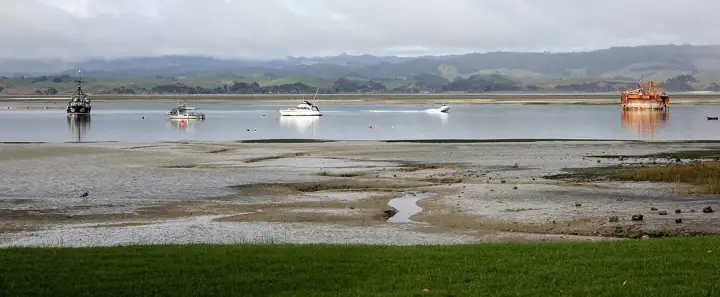
A wide view across Kāwhia Harbour at low tide, with mudflats and grass in the foreground, several boats moored on calm water and green hills under cloud in the distance.
Kāwhia Harbour, New Zealand

People backing a vehicle ban on a Kāwhia beach have been threatened, most recently with the burning of Maketū Marae, according to Daisy Horahaere Scott of Ngāti Hikairo and Ngāti Mahuta, speaking to Te Ao Māori News.

The marae sits on the northern shore of Kāwhia Harbour. Te Ao notes it is the resting place of the Tainui waka from Hawaiki.

"To threaten the destruction of our marae is very concerning," Scott told Te Ao. She said the threat had not changed anyone's mind: "Everyone was adamant that we will continue and not take these threats."

Te Ao reported the threats on Friday. Neither Te Ao nor RNZ says whether police have been told.

The Onepū Charitable Trust, which RNZ identifies as chaired by Scott, is closing the last gap in its barrier on Saturday, just as Labour Weekend visitors arrive. RNZ describes two-metre wooden poles running from the end of the Maketū marae seawall towards the low-tide mark. Half were already in when RNZ reported, with a gap left for cars. That gap closes from Saturday. Walkers and horse riders can still get through to the lagoon.

The trust says vehicles are wrecking a food source the hapū has relied on for generations. Scott told Te Ao that drivers have gone over pipi beds and got stuck in the sand, and some vehicles have been caught by the incoming tide and left in the water for two or three days.

Kaumātua Merv Ranga, 74, described the loss to RNZ. "We used to go and gather about a dozen sacks of pipi for the marae, and they're no longer there. They are dying."
Pioneer Battalion descendants carve a waka for Arras

Descendants of Māori Pioneer Battalion soldiers who fought at Arras in the First World War are carving a waka bound for a museum in France. RNZ reported the project on 16 October under the headline "French museum's waka will honour soldiers' 'courageous feats'".

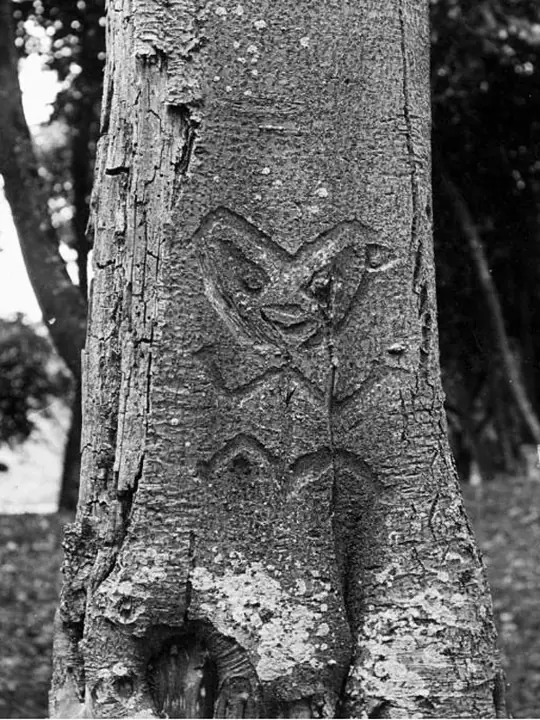
Black-and-white photograph of a tree trunk with a carved figure cut into its bark, a Moriori dendroglyph

Moriori Language Week returns, still without official status

Elders on Rēkohu, the Chatham Islands, opened the second Ta Wik’ a Ta Rē Moriori (Moriori Language Week) this week. They shared kai with hūnau, made artwork and played bingo using Moriori words. The week runs from 12 to 18 October. The Hokotehi Moriori Trust held the first language week in 2025, and like that one, this week has no official recognition.

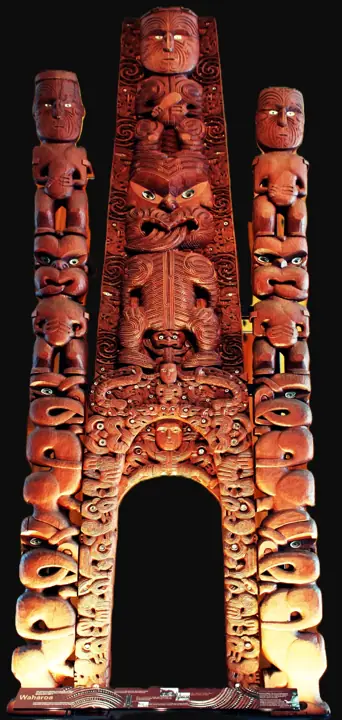
A tall, ornately carved red-brown Māori entrance gateway with stacked human figures and a central arched opening, shown against a black background

Te Papa's senior Māori curator leaves as its chief executive steps down

Dougal Austin (Kāti Māmoe, Kāi Tahu, Waitaha) has worked at Te Papa for 32 years. He Toi Whakairo: The art of Māori Carving, which has just opened at the national museum, is his last exhibition there. Newsroom's review of the show, published on 1 October, reported that Austin, Te Papa's senior curator Mātauranga Māori, is leaving for a senior position at the recently redesigned Te Unua Museum of Southland in Waihōpai Invercargill. The reviewer called the show his "swan song".