South Island house prices rise as North Island falls and national sales drop 11.6%

Every South Island house price index rose in the year to September, while North Island measures fell. The figures come from Real Estate Institute of New Zealand (REINZ) data, reported by MPA.
The national figures were weaker. Sales fell 11.6% from September last year, to 5,752. The REINZ House Price Index (HPI) slipped 1.5%, and the national median price fell 2.3% to $755,000. Outside Auckland, the median barely moved, at $691,200.
Southland led annual HPI growth for the 14th month running, up 7.5%. Canterbury was next at 3.1%, then Otago at 2.8%. Central Otago District and Invercargill City both set record median prices.
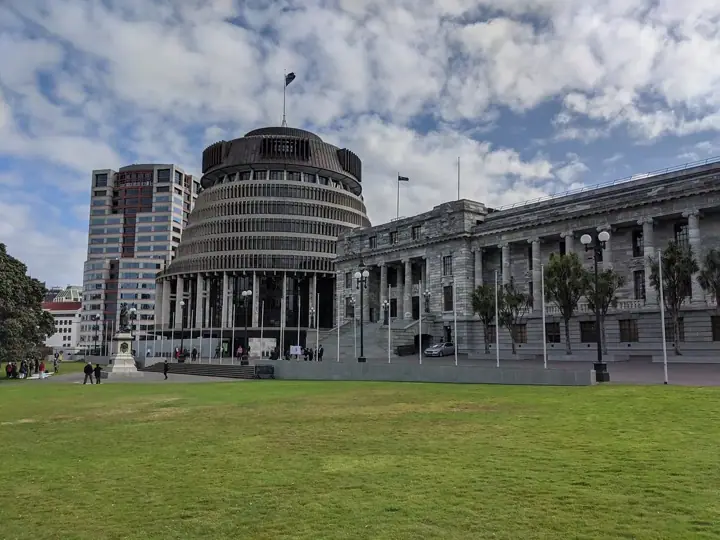
Auckland's median price fell 2.6%, and the city accounted for more than half of the national drop in sales. Wellington is still the weakest HPI series over the year, down 4.5%, even after a 1.1% rise in September.
Taranaki doesn't fit the pattern. Its median price rose 11.4% to $620,000, the biggest gain among the six of 16 regions where medians went up. MPA's report says all North Island measures fell, and it doesn't explain how Taranaki's median squares with that. The price index allows for the mix of homes sold, while a median can swing with whichever houses happened to sell that month.