Move-on orders: what police can require, of whom, and what a breach costs
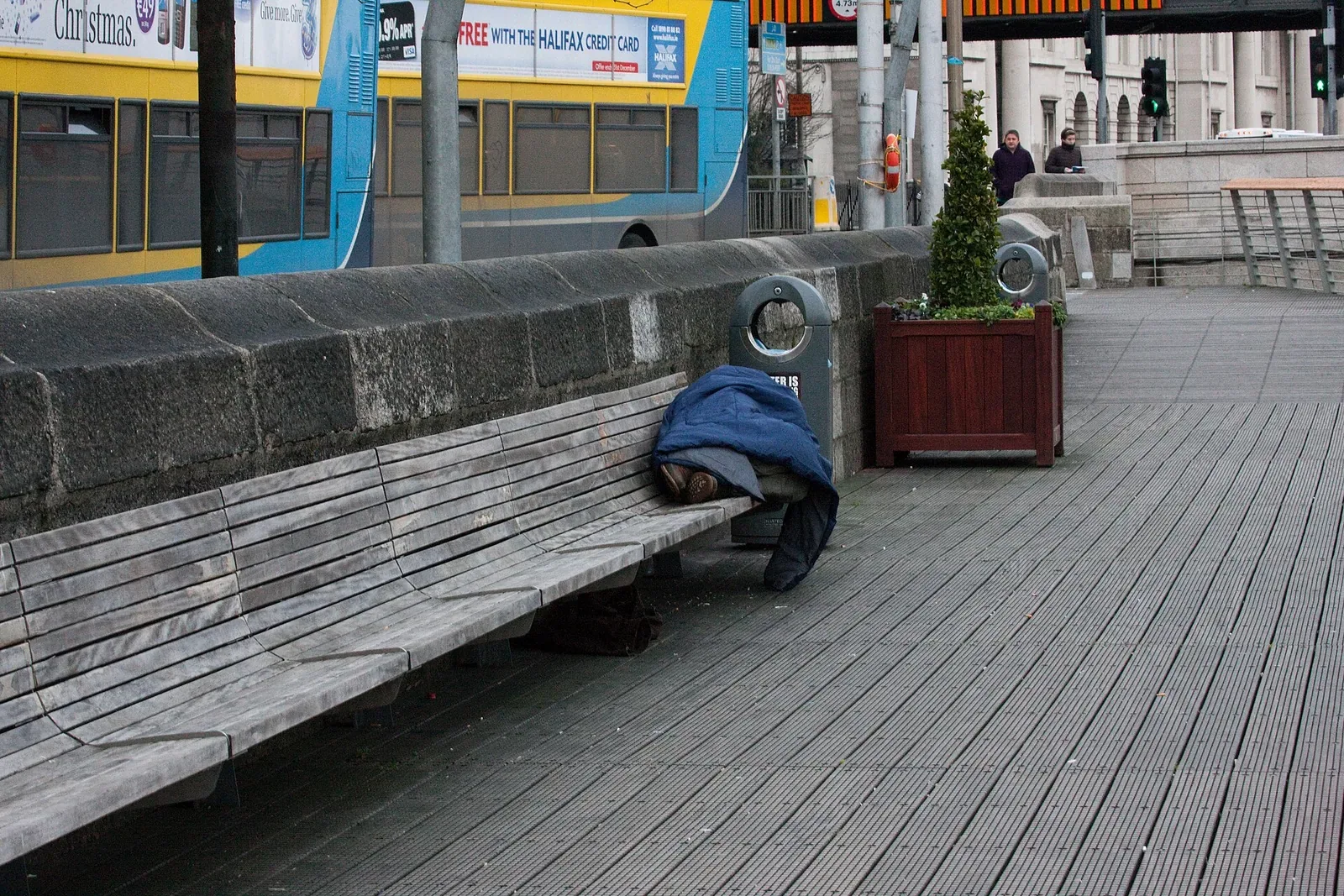
Police will be able to order a person out of a specified area for up to 24 hours for sleeping rough or begging. The power is an amendment to the Summary Offences Act, announced in February by Justice Minister Paul Goldsmith, 1News reported.
These are the details as announced in February; the final text of the law, including the minimum age, may differ.
An officer could issue an order for four kinds of conduct: rough sleeping, "all forms of begging", behaviour indicating an intent to inhabit a public place, and disorderly, threatening or intimidating conduct, according to 1News. The power was to apply to people aged 14 or older.
Police Minister Mark Mitchell said people "will be required to move a reasonable distance away from the area, as specified by the constable." The officer decides how far.
Breaching an order carries a maximum penalty of a $2,000 fine or up to three months' imprisonment, 1News reported.
Sleeping rough or begging does not itself become a crime. The crime is breaching the order, such as coming back to the area before the 24 hours are up. An officer issuing an order must tell the person that breaching it is an offence "unless the person has a reasonable excuse for being there." The 1News report does not say what counts as a reasonable excuse.
The announcement says orders would be issued in writing "as was operationally appropriate". So some people may get only a spoken order, and if charged with breaching it they may have no written record of the area they were told to leave or of when the 24 hours began.
Goldsmith said the power is meant for behaviour that falls short of a crime. At present, he said, police have limited options for that conduct, so "many disruptive, distressing, and potentially harmful acts can occur before officers have any means of intervention."
The Salvation Army says the orders move the problem rather than solving it. Ian Hutson, director of its social policy and Parliamentary unit, said move-on powers "just shift it somewhere else" and push vulnerable people into more dangerous situations, 1News reported. The organisation's own survey found homelessness rising or unchanged in every region. In Auckland, numbers had doubled in the past year.
Mitchell said he expected police to work closely with social and housing service providers as they wrote operational guidance for frontline officers.
Sources
- Police to receive 24-hour move-on powers over rough sleepers - govt
- Retail NZ to monitor move-on order effects as police gain enforcement powers
- Police Minister dismisses Retail NZ scepticism
- 'We still have nowhere else to go': rough sleepers question police's new move-on powers
- Move-on orders: $500 fines if homeless person or beggar refuses to give name, tries to run
- Move-on orders to target disorderly behaviour