New Zealand election: tonight's count will leave out special votes, with official results due around 27 November
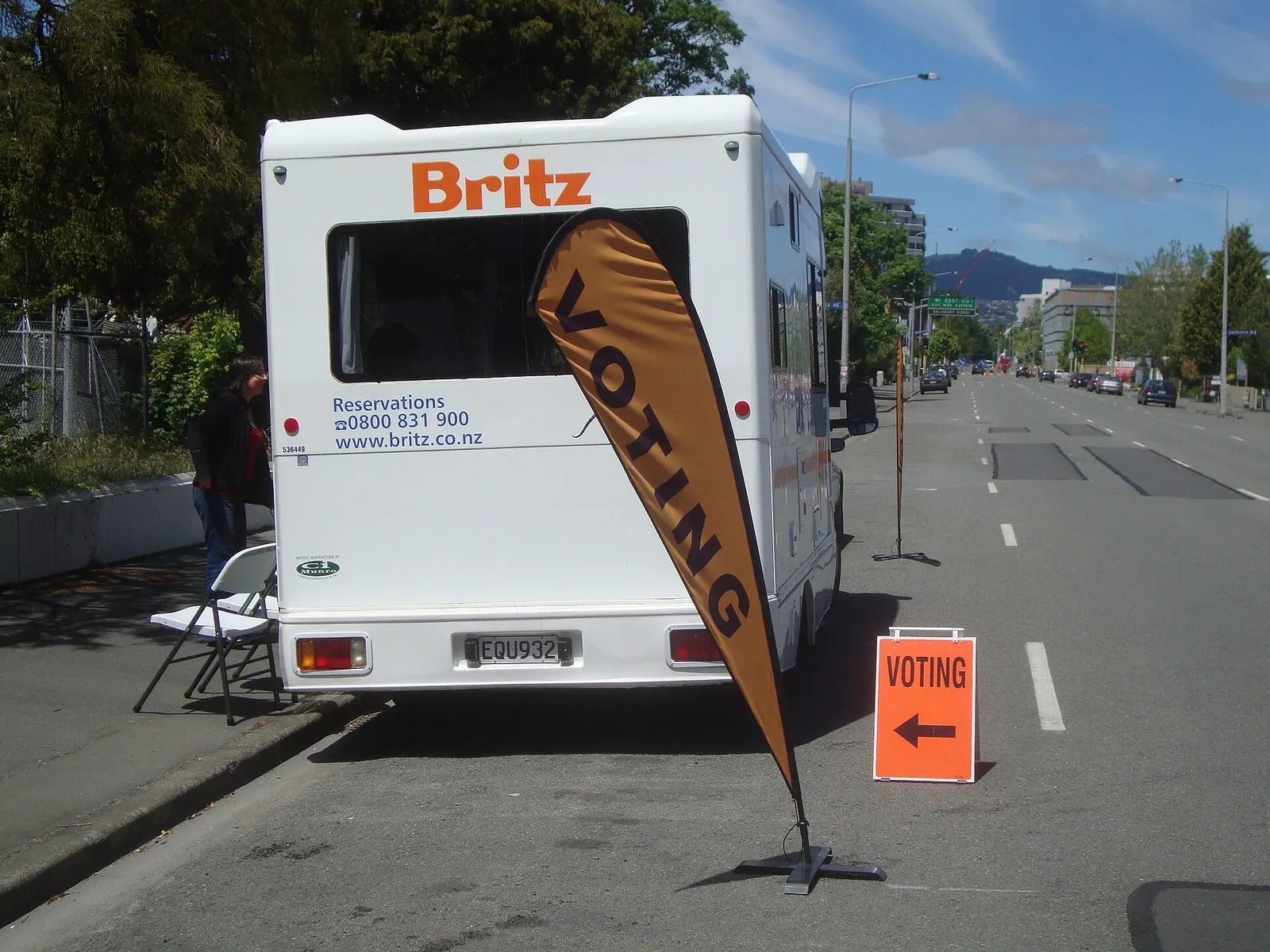
Nearly 1.67 million people had voted in New Zealand's general election by Thursday, Reuters reported, citing Electoral Commission figures, a total that leaves out Friday's advance votes. Preliminary results are expected this evening. They leave out special votes, and the Commission estimated in August that official results would come around 27 November. Special votes come from people such as voters overseas, outside their electorate or not on the printed roll, and they're counted late because officials must first check that each voter is entitled to vote.
Reuters described the figure as "more than one-third" of eligible voters. It is about 44% of the 3,787,116 people provisionally enrolled, by this publication's calculation.
Advance voting began on 26 October. The first three days drew 309,876 votes, against 235,415 for the same period in 2023, about 32% more.
The uncounted pile could be large. The Commission expected to process 700,000 special votes and disallow 55,000, with the full count taking 20 days, according to a list of its statistics compiled by RNZ and published in August. Grant Duncan wrote in The Conversation that the 2023 special vote topped 600,000.
In recent elections, Duncan wrote, the Greens and Labour have picked up one or two seats between election night and the final count, at National's expense. In a close result, that could decide who can form a government, he wrote. Coalition negotiations could take several more weeks, he added.
RNZ's results page says preliminary results may change after recounting and checks. The percentage counted on that page shows how many voting places have reported, not how many votes have been counted. Any seats the page shows tonight are only leads until the official results are declared.
Under a change to the enrolment law, people can no longer enrol on election day and have their vote counted. The cut-off this year was 25 October, according to the list, and the votes of anyone not enrolled in time would be thrown out. The Commission expected that dropping those votes would save three days of counting, though rising enrolment meant the count would still take as long as last time.
Chief electoral officer Karl le Quesne said a person whose right to vote is in doubt will still get a special vote, but it will be discarded if they turn out not to qualify. The total number of disallowed votes will be reported with the final result. The number of people turned away, for wrong enrolment or a missed deadline, will not. The post-election survey, which also polls non-voters, may estimate it.