New home consents stay above 40,000 for a third month as headwinds build
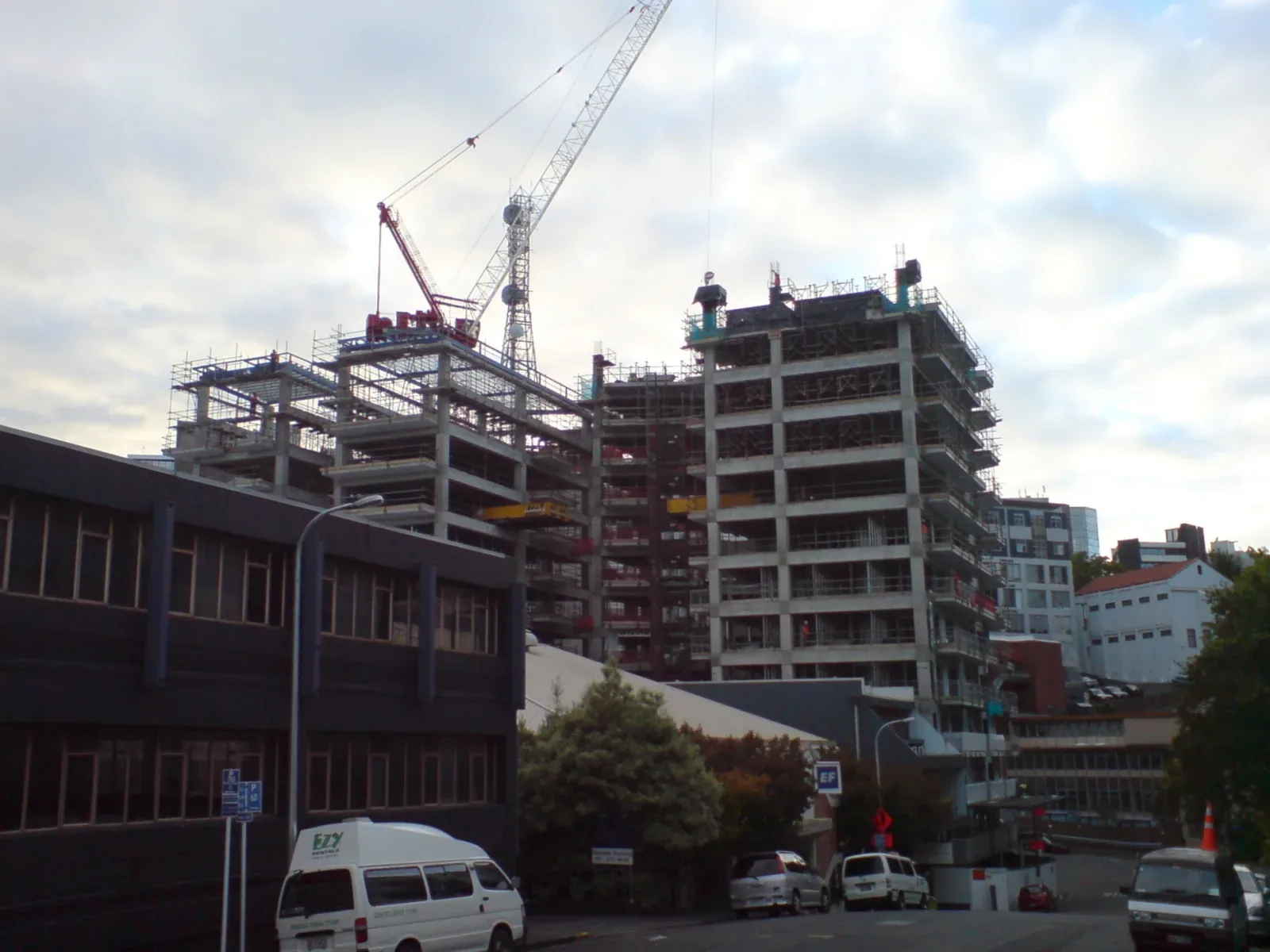
New Zealand consented 41,268 new homes in the year to August 2026, up 21% on the year to August 2025, Stats NZ said on 1 October.
"This is the third consecutive month in which the annual number of new homes consented has exceeded 40,000, returning to levels last seen in 2023," Stats NZ economic indicators spokesperson Michelle Feyen said in the release.
Month to month, the numbers move around more. Residential consents rose 5.6% in August after a 4.5% fall the month before, according to Westpac's commentary on the release. The bank put annual growth at 21.1%, up from 20.7% a month earlier, and said the annual number of consents is at a three-year high.
Most of the growth is in two places. Westpac said the lift in planned building is heavily concentrated in Auckland, where consent numbers are up 19% over the year, and Canterbury, where they are up 35%. Planned work is also rising in many other regions, the bank said, much of it medium-density development.
Westpac expects the rise in consents to support a pickup in home-building activity over the coming year.
But Westpac's note also says the monthly trend has started to level off, though at a high level. Westpac pointed to rising interest rates, the softer housing market that has come with them and a pickup in building costs. Together, it said, they signal growing headwinds for residential construction over the coming year.
Those pressures are already here. The Reserve Bank raised the official cash rate in July and again in September, taking it to 2.75%, and house values are still falling.
Commercial building is a smaller story. Non-residential consent values for the 12 months to August were up 2.3%, after a 2.5% fall in the previous reading, Westpac said. The amount of non-residential floor space consented rose 7.1%, from a 0.3% fall.
Westpac described planned commercial work as modest. It said planned industrial and storage space had eased from firm levels, and new office and retail space in development remained low.