Emergency doctors say EDs are in 'crisis'. How hospitals are doing on the six-hour target
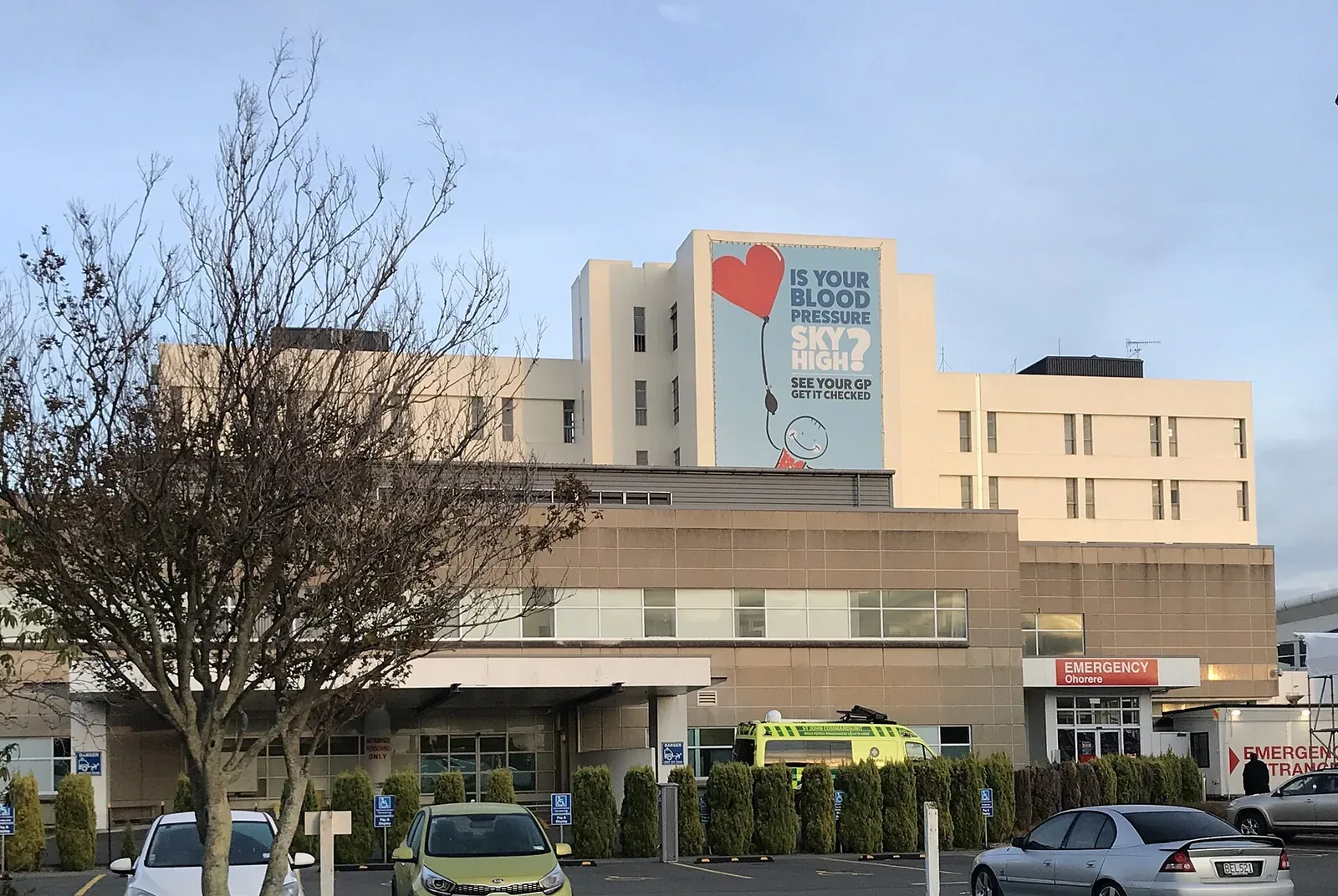
New Zealand's emergency departments now see more than 1.4 million patients a year, and more of them arrive seriously ill. The Australasian College for Emergency Medicine (ACEM) says the system is in "crisis".
The figures come from the college's first New Zealand "State of Emergency" report, which uses Health New Zealand data from 40 hospitals, as reported by RNZ. ED presentations rose 21 percent from 2015-16, while the population grew 13 percent.
Patients are also arriving sicker. In 2024-25, 66 percent of ED patients were triaged as high urgency, meaning categories one to three on the Australasian Triage Scale. In 2015-16 the figure was 55 percent.
Bed numbers haven't kept pace with population. Inpatient bed supply fell from 2.7 to 2.5 per 1000 people between 2015 and 2024. The total number of beds went up but didn't keep up with population growth. The 2023 OECD average was 4.2.
Dr Michael Connelly, who chairs ACEM's Aotearoa New Zealand council, told 1News: "Our EDs are operating at or above capacity every day... patients stuck in our EDs because there's nowhere upstairs to send them, and the flow through the entire hospital is backed up."
He told RNZ that treating patients in corridors is an "everyday occurrence". "Privacy is at a premium, with patients being cared for in corridors and ambulance bays within a metre or two of a complete stranger also needing high-level care," he said. He said the risk to patients rises when they're kept in ED for more than eight hours because no bed is free: "You push a system to a breaking point and then things start to fail."
What it means if you go to ED
How long you wait depends a lot on whether you end up being admitted. According to 1News, the report found 97 percent of patients who were sent home met the six-hour benchmark. Only 56 percent of those who were admitted or transferred did.
It also depends on which hospital you go to. RNZ reported the latest government target data:
- Palmerston North was worst, with 55 percent of patients through ED within six hours. That was down on the previous quarter.
- Capital and Coast was second-worst at 63 percent, up on the previous quarter.
- West Coast, South Canterbury and Tai Rāwhiti did best, at 90 percent.
Half of the country's EDs improved on the previous quarter and half got worse.
The government's numbers
Health Minister Simeon Brown told 1News the report's data ends in June 2025, and pointed to newer figures: in the April to June quarter this year, 76.3 percent of patients were admitted, discharged or transferred within six hours. That was up from 73.9 percent a year earlier and 68 percent in September 2023. RNZ reported that nearly 9000 more people were seen within six hours than at the same time last year.
According to RNZ, Brown cited 140 new beds in fast-built wards at five of the busiest hospitals. He also pointed to major rebuilds and more than $680 million of health capital investment in Budget 2026. Aged residential care funding went up by about $79 million this year, 1News reported. Rest homes are now expected to take patients from hospital at weekends to free up beds.
"We're also extending urgent care and making it easier to see a GP, so fewer people need to go to ED in the first place," Brown told 1News.
RNZ reported that health funding has almost doubled since 2017-18. The report says "nominal figures alone do not show whether funding has kept pace with demand."
What the college wants
With the election coming, ACEM wants political parties to commit to its recommendations. "We want to see emergency care front and centre of every party's health policy," Connelly told 1News. The recommendations include more long-term investment in hospital beds and aged care, more emergency specialists, and cultural safety training to improve Māori health equity.
The report accepts that urgent care, telehealth and virtual care may be easing pressure, but says they "do not address rising levels of patient urgency", 1News reported.