Firearms licence decisions now go to an independent committee, and the regulator is called FSENZ
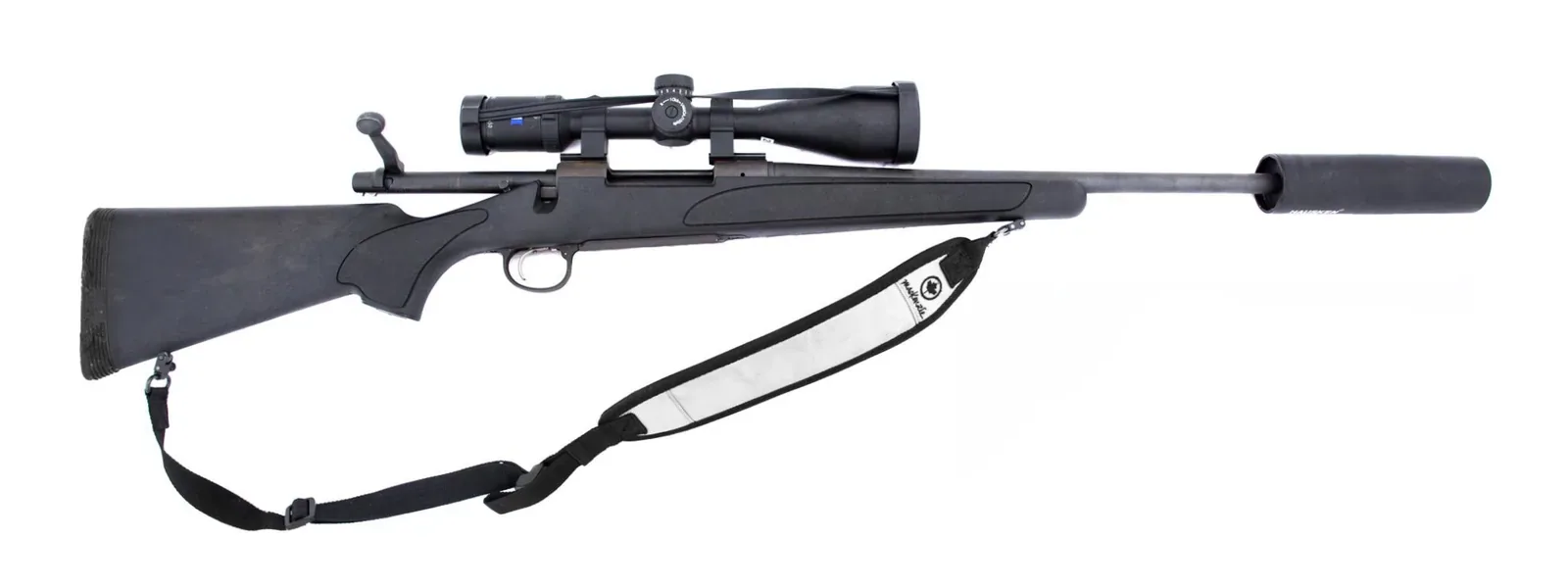
Under the Arms Act 2026, which came into force on 23 September, people whose firearms licence is refused, revoked or given conditions can have that decision reviewed by an independent committee. Before, Police reviewed their own decisions. Justice Minister Paul Goldsmith appointed eight people to the new Firearms Licensing Review Committee in a government release published on Live News on 25 August. Licence holders can still appeal further to the District Court.
Associate Justice Minister Nicole McKee said in the release that under the previous law, licensing decisions "could only be reviewed internally by the same organisation that made the original decision". Firearms owners who think a decision is wrong should be able to get independent review "without being forced immediately into costly and time-consuming court proceedings," she said.
This updates our Arms Act coverage, which said the committee had not yet been appointed. It also corrects the regulator's name. Our earlier article called the new body the "Arms Regulator". That was the term in Franks Ogilvie's 4 August explainer. The regulator's name is Firearms Safety and Education New Zealand (FSENZ).
According to The Lawyer, Governor-General Cindy Kiro appointed Dr Kelvin Watson as its first chief executive. His five-year term began on 23 September 2026, when FSENZ was formally set up. Watson has been the Ministry of Justice's deputy secretary for corporate services since October 2023.
The committee's name varies too. Franks Ogilvie calls it the "Firearms Licence Review Committee". The government calls it the Firearms Licensing Review Committee.
McKee told Country-Wide that the District Court overturns more than a third of the licensing decisions taken to it. "Allowing this process by people who are purely independent from the original decision that the regulator makes is quite important for transparency," she told Country-Wide. None of the sources give the figures behind the District Court number, and with no committee decisions reported and no licensing data yet from FSENZ, there is nothing to check it against.
The release names the members as Judge Robert Spear (chair), Louise Christensen, Gordon Davis, Joe Green, Mike Keefe QSM, Melissa Jackson, Digby Livingston and Tracey Wakeford. Each member serves an 18-month term starting 31 August. McKee told Country-Wide the committee will sit in panels of three. "Every member brings firearms experience, alongside a strong range of legal, regulatory, public safety, clinical, and community expertise," she said in the release.
The biographies in the release describe the members as follows:
- Mike Keefe is from Rotorua. He sits on the Human Rights Review Tribunal, is a former Police officer and District Arms Officer, and holds a firearms licence.
- Digby Livingston is a Wellington lawyer who also sits on the Human Rights Review Tribunal.
- Gordon Davis is a Wellington lawyer and former chief legal counsel at the then State Services Commission and the Civil Aviation Authority. Until recently he had held a firearms licence for more than 50 years.
- Tracey Wakeford (spelled "Tracy" in her biography) is a clinical psychologist in Northland. She has worked on the Whakatūpato firearms safety programme and with the Mountain Safety Council.
- Joe Green represented the Firearms Safety Council on the Firearms Community Advisory Forum from 2016 to 2026. He was closely involved in Police vetting.
- Melissa Jackson is a hunting instructor and legally trained local government manager in Taumarunui.
- Louise Christensen: the release gives no biography for her.
Spear has been a Hamilton District Court judge since 1995. He chairs both the Alcohol Regulatory and Licensing Authority and the Victims' Special Claims Tribunal. He has held a firearms licence and has hunted recreationally. The 25 August release, and Inside Government after it, said he would retire his judicial warrant in October 2026. According to The Lawyer, he expects to retire it in October.
Franks Ogilvie identified a further problem with the Act, which our earlier article did not cover: the "fit and proper" test lets the regulator take into account any matter it considers relevant. That wording was carried over from the 1983 Act. The firm said this leaves the criteria uncertain and has previously allowed people to be refused licences on grounds unrelated to firearm safety. Refusals made under that test can now go to the committee.
The sources disagree about when suspensions of up to 12 months begin. Country-Wide reported that from 23 September, licence holders can be suspended for up to 12 months instead of having their licence revoked. It quoted McKee: "We don't want people being fearful of trying to get help for mental health problems." Franks Ogilvie says the regulator gets the power to suspend a licence for up to 12 months over mental health concerns from February 2028. Until then, it says, suspensions are limited to 90 days. Neither source explains the difference between the two dates.
Sources
- Strong Candidates Appointed To Inaugural Firearms Licensing Review Committee
- District Court Judge Robert Spear named chair of Firearms Licensing Review Committee
- Independent firearms licensing review committee named
- New Firearms Licensing Review Committee loaded with experience
- Strong candidates appointed to inaugural Firearms Licensing Review Committee
- Explainer: Arms Act 2026