Tourists and migrants owe Health NZ more than $70m, and a quarter of it may never be paid
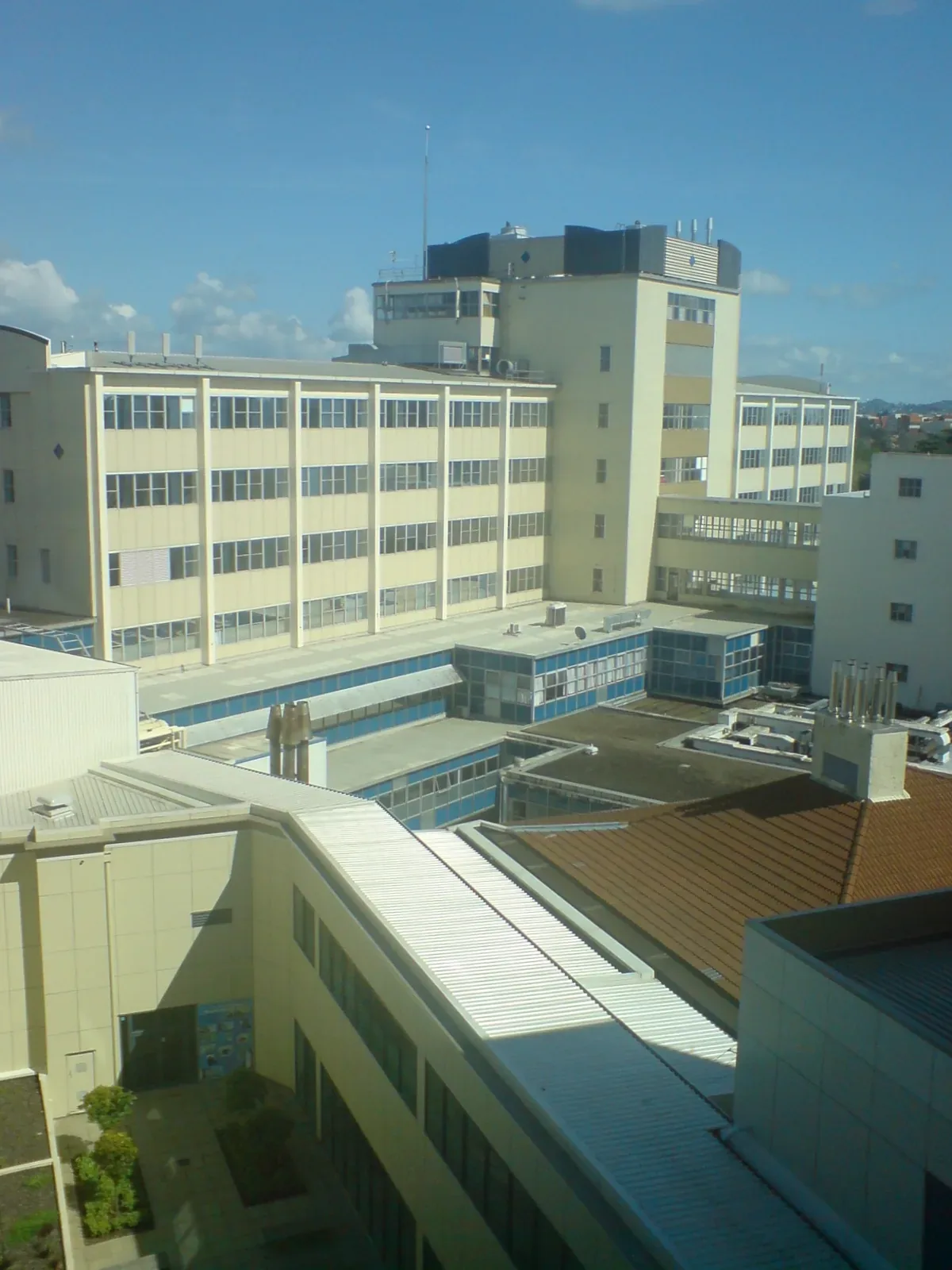
Patients who weren't eligible for free public care owe Health New Zealand more than $70 million, RNZ reported on 7 October.
Health NZ told RNZ it expects at least a quarter of that debt never to be recovered. "Our experience is that between 25 and 30 percent of outstanding debts will typically be written off as unrecoverable," chief financial officer Bevan McKenzie said.
On $70m, that comes to about $17.5m to $21m. That range is this publication's calculation, not Health NZ's, and the total is likely higher, since the agency puts the debt at "more than" $70m.
The figures don't include accidents. ACC pays for those regardless of visa status, according to RNZ.
Earlier figures don't measure the same thing
RNZ compared the new total with two earlier ones. McKenzie said it was higher than the $45.6m in costs recorded in 2022/23, possibly because travel has grown since the pandemic. And in 2019/20, ineligible patients ran up $18m of bad debt across the 20 district health boards of the time. Counties Manukau had the most, followed by Auckland, Southern and Waitematā.
The 2022/23 figure is described as costs, the 2019/20 figure as bad debt, and the current one as outstanding debt. RNZ's report doesn't say what period the $70m covers, or how it splits across districts.
Who gets checked, and who needs insurance
Most visitors on visas of less than 12 months can't get free public healthcare. But medical checks are usually only required for people planning to stay longer than that, RNZ reported. Travel insurance is compulsory only for some visas, including international students, some working holidaymakers and parent visas.
So a short-term visitor can arrive without a health check or insurance. If they then need hospital care, Health NZ still treats them.
"Clinical decisions are not based on financial circumstances and care is provided irrespective of a patient's eligibility or immediate ability to pay," McKenzie said.
He told RNZ that getting the money back is harder when patients live overseas or have already left New Zealand. Other problems are missing contact details, personal financial hardship, limited insurance cover and the difficulty of enforcing debts across borders. Health NZ sends invoices and reminders, sets up payment plans, contacts sponsors and insurers, and refers debts to collection agencies, including one that works internationally.
New Zealand also has agreements with the United Kingdom and Australia to give each other's citizens limited free care. Some Pacific citizens get treatment depending on their circumstances.
Dialysis cases
In the year to December 2024, officials found seven people who needed urgent dialysis or care for kidney failure soon after arriving on visitor visas, according to the documents RNZ obtained. At least two were confirmed to have known about their condition and given Immigration NZ false information.
One man didn't tell Immigration NZ about his diabetes, his end-stage kidney disease or two criminal convictions. By March 2025 he owed $174,746. Immigration NZ gave him a 12-month visa, as an exception to its rules, so he could get life-preserving treatment.
People who come to New Zealand on a medical treatment visa for dialysis must be funded by their home government or through the Official Development Assistance Medical Treatment Scheme, run by the Ministry of Foreign Affairs and Trade. None of the seven had that funding, RNZ reported.
Officials keep Immigration Minister Erica Stanford informed about some of the more expensive cases. One was the $85,000 medical evacuation of a Korean overstayer who had a stroke.
Rationing claims
In 2018, Immigration NZ told its appeal tribunal that demand from ineligible patients was leading to rationing of dialysis for New Zealanders. The National Renal Advisory Board said at the time that patients weren't at risk of getting less care.
RNZ's report also said kidney patients in Christchurch have been warned their dialysis may have to be rationed. RNZ said the reason was a shortage of staff and hospital space. RNZ's reporting doesn't link that warning to ineligible patients.