Police issued 29 move-on orders in the first nine days. None were for begging or rough sleeping
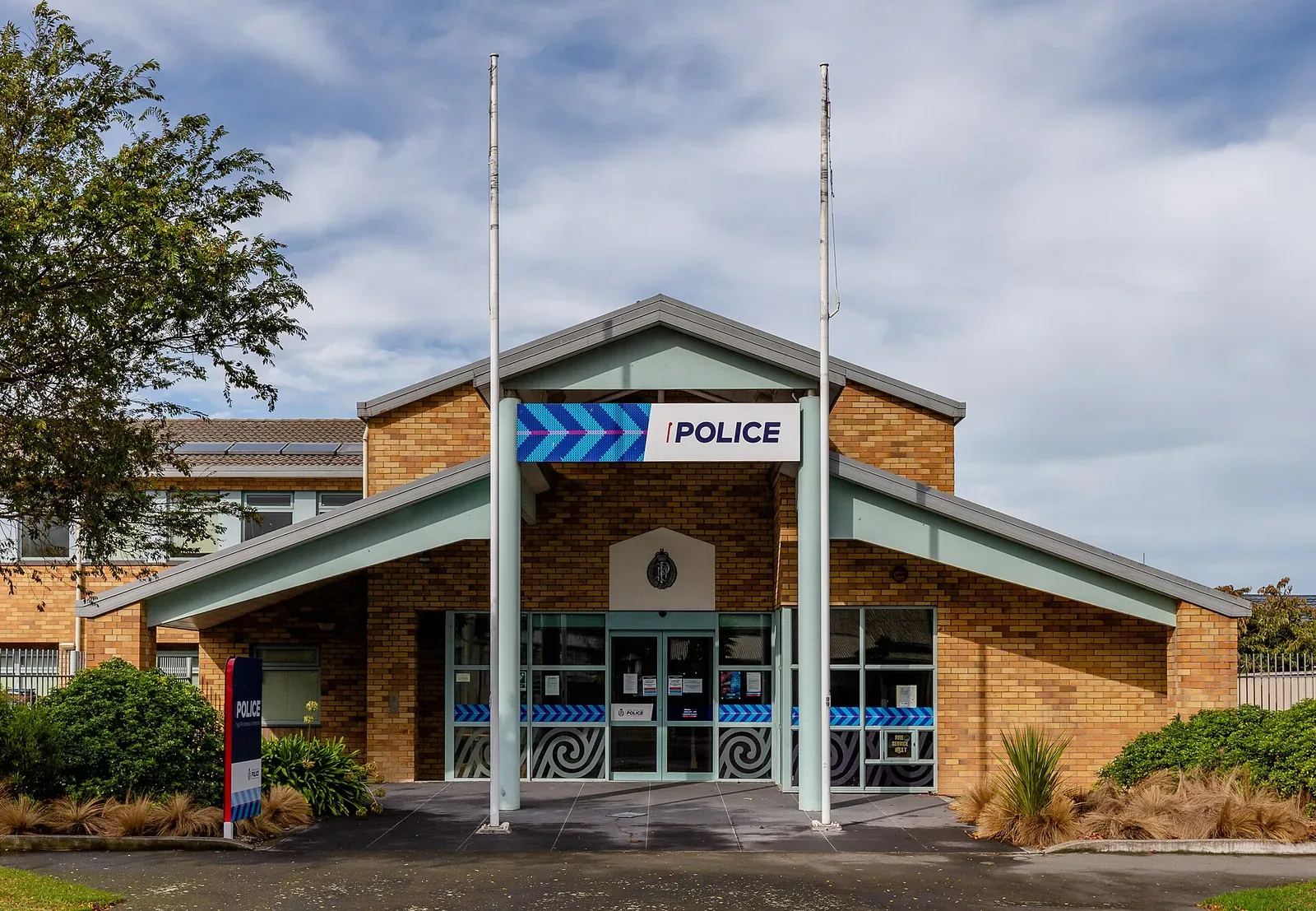
Police issued 29 move-on orders in the first nine days after the power came into force on 25 October. None were for begging or rough sleeping, according to police figures reported by 1News on 3 November.
Those two grounds drew most of the argument over the law, and so far police haven't used either. Police told 1News most orders were for "intoxicated, disruptive and disorderly behaviour".
The police breakdown, as 1News reported it, was:
- 19 for disorderly, intimidating or threatening behaviour
- 7 for disruptive behaviour
- 2 for breaching the peace
- 1 for obstructing someone
The Ministry of Justice describes that last ground as unreasonably obstructing, hindering or preventing someone from entering or leaving a place of business or trade.
According to the Ministry's notice on the Summary Offences (Move-on Orders) Amendment Act 2026, the Act as passed still lists "rough sleeping or setting up personal possessions, makeshift shelters or structures" as a ground. Freedom camping under the Freedom Camping Act 2011 is excluded. Begging counts only when it "unreasonably interferes with the use or enjoyment of a public place by others".
The Act amends the Summary Offences Act 1981. According to the Ministry, an order can go to someone who is engaging in, or has recently engaged in, one of the listed behaviours in a public place. It must be in writing. It can require the person to leave and stay away for up to 24 hours. Police can't issue one to anyone under 18, or to someone who is in a public place mainly to show support for or opposition to a cause, or to publicise a campaign. The Ministry says the Act will be reviewed in 2029/30.
The sources disagree on the penalty. The Ministry's notice says breaching an order can bring a fine of up to $1,000 or up to three months in prison. 1News says people who refuse an order or come back within 24 hours face up to three months in jail or a $2,000 fine. This publication's two earlier reports also gave $2,000. The Ministry's figure is the official one. Neither source quotes the penalty section of the Act.
Assistant Commissioner Tusha Penny told 1News that police were taking a "graduated response approach". Officers first talk to the person to understand what they intend and spot any risks. Then they explain move-on orders and what could happen next, and try to get the person to leave voluntarily. "If these steps aren't successful, then enforcement is considered through issuing a move-on order," she said.
Penny said most orders had been issued for the reasons police expected. "As with any new law, we will continue to monitor the use of these new powers to be sure they are being implemented and used as intended," she said.
1News reported that Vote Compass data shows the policy is one of the most polarising issues of the election campaign, with equal numbers strongly agreeing and strongly disagreeing. Polling day is Saturday, 7 November.
The published figures are one national count, split by ground. They don't show which districts or cities the orders were issued in. They don't show how many people breached an order, or whether anyone has been arrested or charged for doing so. Neither 1News nor the Ministry says whether police will release figures regularly, or whether the guidance officers use to decide when to issue an order has been made public. The exact end date of the period is also unclear. 1News gives it as "Tuesday, November 2", but 2 November 2026 was a Monday.