Food regulator's own assessment said silverbeet with banned pesticide could harm children. No recall was issued
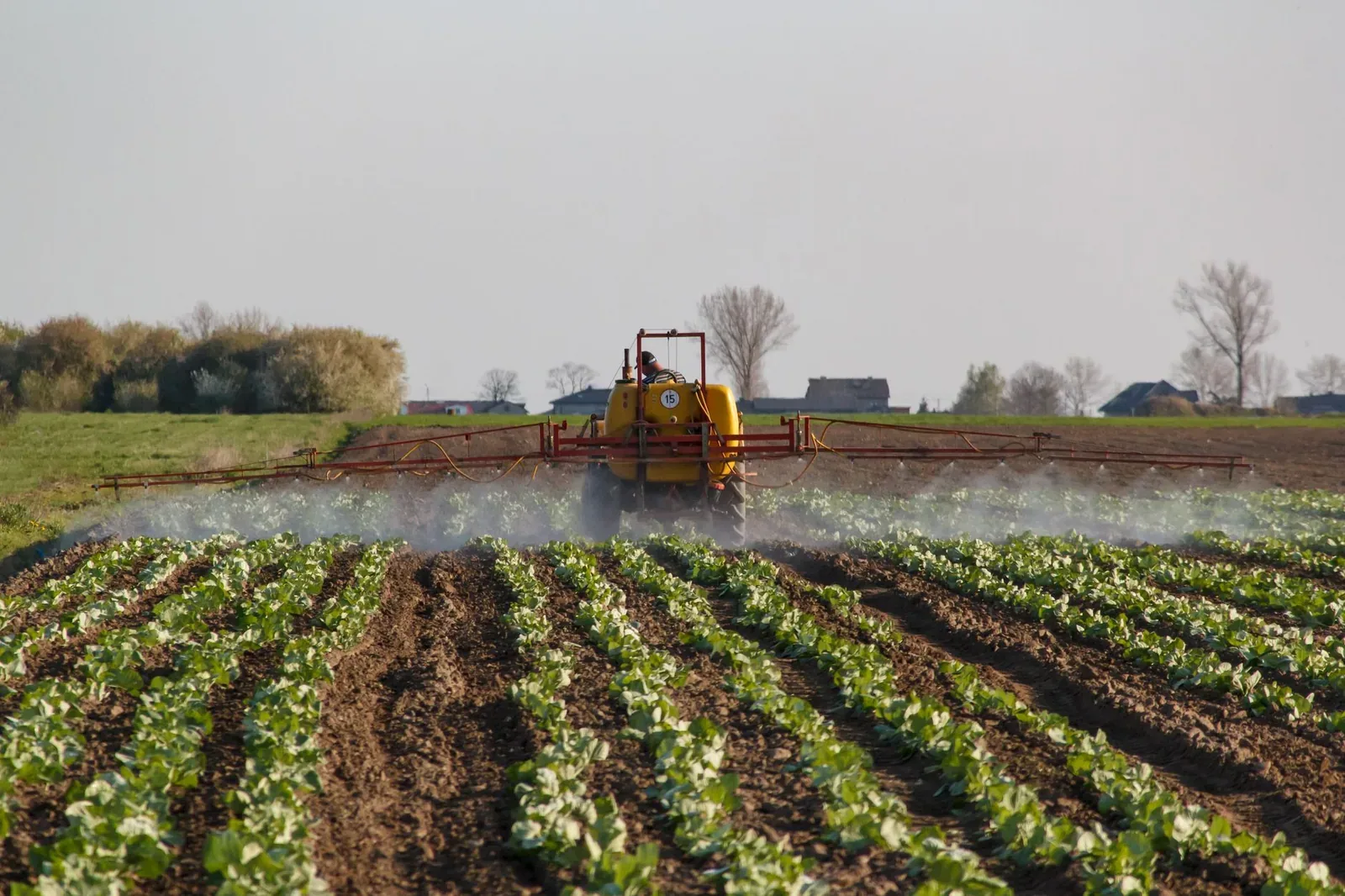
Silverbeet carrying the pesticide methamidophos was harvested and sold in New Zealand in 2022-23 without a recall. New Zealand Food Safety's own risk assessment said a health risk to children couldn't be ruled out.
RNZ reported the findings from internal NZFS documents released under the Official Information Act and obtained by Greenpeace. According to RNZ, NZFS's 2022-23 annual report recorded methamidophos on one grower's silverbeet at 360 times the maximum residue limit, the legal ceiling for a chemical on a given food. The pesticide wasn't authorised for silverbeet at the time, and New Zealand banned it in 2024. The World Health Organisation classes methamidophos as highly hazardous, RNZ reported.
By the time NZFS contacted the grower, the crop had already been harvested and distributed, the documents show.
The risk assessment put the residue at 106% of the acute reference dose for adults and 232% for children. That dose is the amount a person can eat in 24 hours without a health risk. NZFS concluded that "a human health food safety risk for children cannot be excluded", and that 64 grams of the silverbeet would be dangerous for a 23kg child.
Its public reports said there were no food safety risks that year.
Greenpeace's own release on the documents gives a different number. It says 2022-23 testing found three samples with illegally high methamidophos levels, one of them 30 times over the limit and from a crop it wasn't authorised for. It is not clear whether this is the same sample.
NZFS deputy director-general Vincent Arbuckle told RNZ the agency had identified "potential food safety risks" from the breach. But following a "rigorous risk assessment, these detections were not found to pose a food safety risk," he said, adding that "in this instance the exposure would have been a one-off".
Arbuckle said studies had shown washing silverbeet before eating could cut residues by a quarter, and that methamidophos breaks down at temperatures above 80°C. He said the grower was contacted to "establish the facts" and was "educated about the rules and our expectations". NZFS "takes a stepped approach to enforcement that is proportionate to the risk to consumers", he said.
That approach has rarely gone past a conversation. RNZ reported in 2025 that NZFS hadn't issued a fine, prosecution or recall over food with illegal agrichemical residues in at least five years. At the time, Arbuckle said none of the 75 breaches posed food safety risks.
"Illegally high pesticide residues are being found on our food, and the Government is letting it stay on the shelves. That's indefensible," Greenpeace campaigner Gen Toop said in the group's release.
Greenpeace argues NZFS shouldn't sit inside the Ministry for Primary Industries, which promotes exports as well as regulating agriculture. It wants food safety moved to the Ministry of Health.
Under the Food Regulations 2015, which NZFS enforces, food with residues above their maximum residue limits can't be sold.
NZFS checks compliance through its Food Residue Survey Programme, which tests food bought in New Zealand. In 2022-23 it found illegal residues in 9% of samples, RNZ reported. Greenpeace's Russel Norman said 300 samples were tested, each screened for 500 chemicals.
The New Zealand Vegetable Council reads the results differently. It told RNZ that 99.9% of plant-based food sold in New Zealand complied with the Food Act, based on NZFS's most recent testing.
The silverbeet from 2022-23 is long gone, and no recall means no public list of where it was sold. Washing could cut the residue by a quarter, by Arbuckle's figure. That would still leave a child at about 174% of the acute reference dose. And leafy greens are often eaten raw, so they never reach 80°C.
Breaches haven't stopped either. NZFS's 2024-25 report found six domestic samples, including lettuce, spinach and beans, over the legal limits for ten different chemicals.