National would cut Jobseeker rates for long-term recipients and drug-test beneficiaries; Peters says it borders on fascist
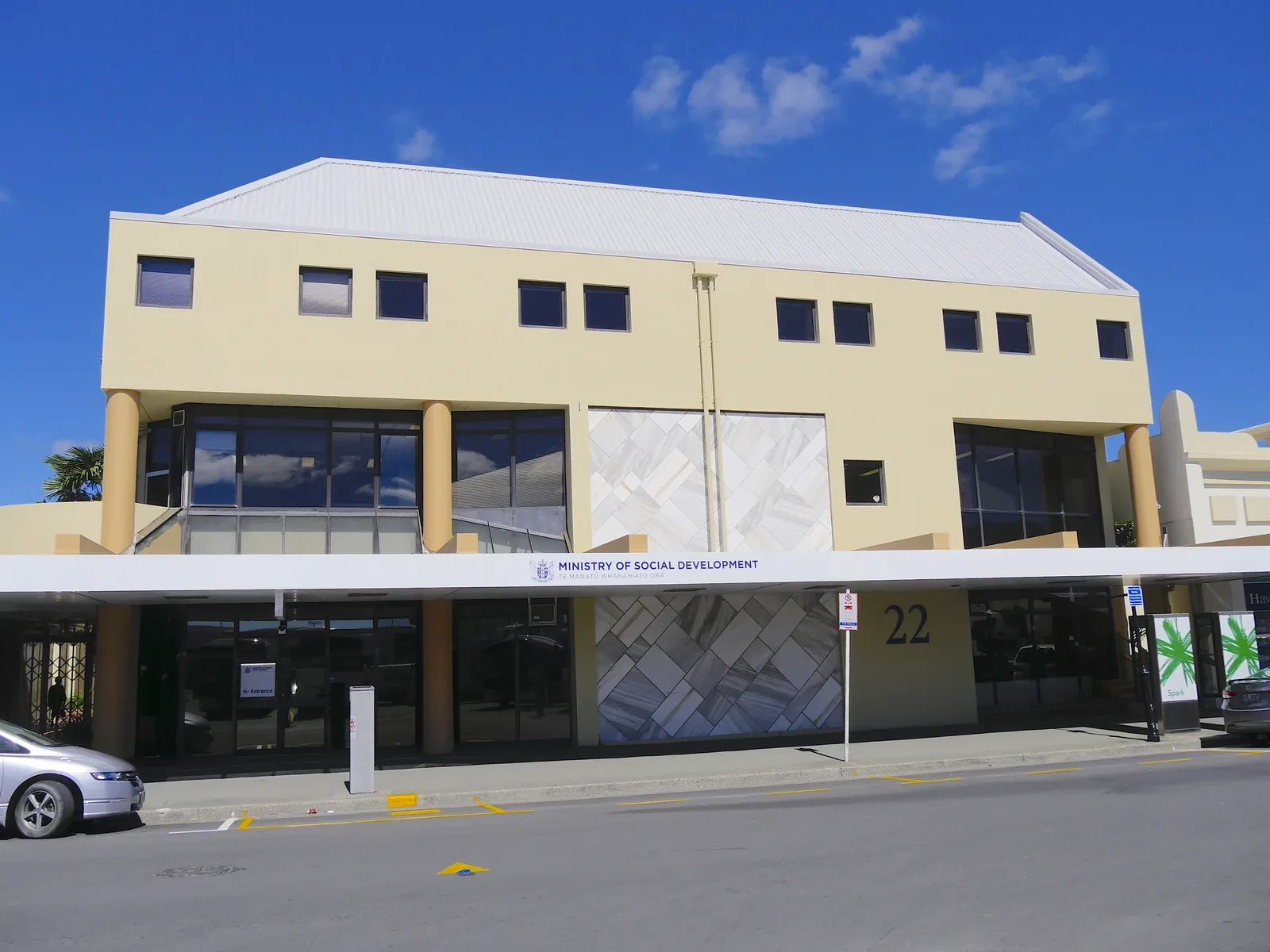
National would lower Jobseeker payments from 1 April 2028 for people who have been on the benefit for two of the previous three years. The party would also bring in random drug testing for recipients. Social development and employment spokesperson Louise Upston announced the five-point plan in Paraparaumu on Thursday morning, RNZ reported.
National expects the plan to save just over $580 million between 2027/28 and 2030/31. Most of that saving would come from the rate cut, which falls on single people, couples and families.
At today's rates, a single recipient without children would get about $48 a week less. A couple without children would lose nearly $82 a week. Recipients with dependent children would get about $24 a week less. The actual cuts would be worked out from 2028 rates, which rise with inflation on 1 April 2027 and again on 1 April 2028.
Drug testing would start with 10,000 tests in the first year and expand over time, Upston said. National puts the cost at about $1.5 million a year, paid for from the Ministry of Social Development's existing budget.
"Under our policy, a first failed test will be recorded and a second failed test will trigger a clinical alcohol and drug assessment," Upston said. "Where someone then fails to meet their obligations, the normal sanctions regime will apply, which could include reductions to their benefit."
National's policy document argued that New Zealanders regularly have to pass drug tests to get or keep a job, and that it was "not too much to ask" for Jobseeker recipients to take "reasonable steps to remain work-ready". Upston said the policy wasn't about "punishing someone because they haven't found a job".
The plan has three other parts:
- People who repeatedly leave work without good and sufficient reason would be barred from a benefit for 26 weeks, up from 13.
- From 1 April 2028, new arrivals would need five years' residence to qualify for a main benefit, up from two.
- About 30,000 people who have been on Jobseeker for more than a year would get what National calls "intensive, work-focused support", with more money for employment programmes for young people.
"Our five-point plan will provide more help to get into work, and stronger expectations and consequences the longer someone remains on welfare or repeatedly makes choices that keep them out of work," Upston said.
The strongest attack came from a possible coalition partner. NZ First leader Winston Peters said the policy could be a massive attack on people's freedoms and bordered on fascist, RNZ reported. It is the second National policy NZ First has opposed this week, after National's plan to cut foreign aid.
Labour accused National of painting beneficiaries as "bludgers" in the hope of a bounce in the polls, according to RNZ's live coverage of the campaign.
RNZ's report of the announcement doesn't say how the Ministry of Social Development would collect samples, who would carry out the clinical assessments, or how recipients would be chosen for testing. It carries no comment from the ministry or from beneficiary advocates.
Sources
- National promises random drug testing for jobseeker beneficiaries
- 'Lazy, beneficiary bashing': Labour, Greens slam National's random drug testing promise
- RNZ Election 2026 index
- As it happened: Election campaign, 8 October
- Election 2026: National proposes random drug testing for beneficiaries, cuts to Jobseeker from 2028
- National pushes to drug test beneficiaries and cut payments for long-term unemployed
- National pledges drug testing for jobseeker beneficiaries
- National to introduce random drug testing for beneficiaries