Annual home consents slip to 41,091 as multi-unit approvals fall
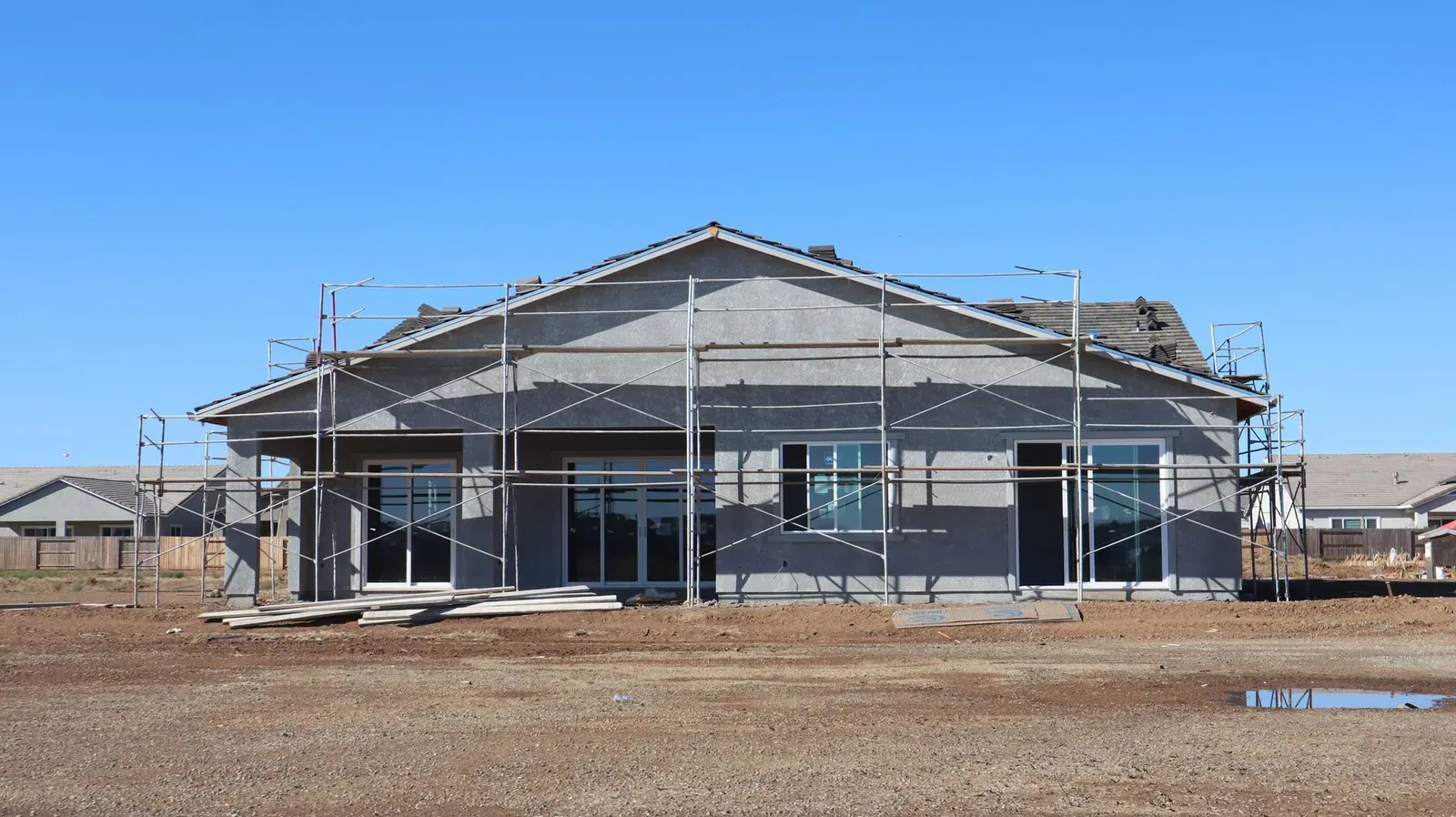
New Zealand consented 41,091 new homes in the year to September, up 18% on the year before, according to Stats NZ figures reported by NBR. Stand-alone houses made up 19,228 of them, their highest annual level since 2022. The other 21,863 were multi-unit homes: townhouses, units, apartments and retirement village units.
That was 177 fewer than in the year to August, when 41,268 homes were consented, up 21%, Trading Economics reported. Multi-unit consents fell by 309, more than the 132 rise in stand-alone houses, and annual growth slowed from 21% to 18%.
Multi-unit homes have driven the upswing. In the year to August, consents for townhouses, flats and units rose 25% to 18,085, Trading Economics reported. Retirement village units rose 27% to 1,706. Apartments went the other way, falling 4% to 2,381.
The annual total has now stayed above 40,000 for three straight releases. The year to July came in at 40,908, up 21%, trade site MPA reported. Monthly figures have been uneven. Consents rose 5.6% in August, to 3,440 homes, after a 4.5% fall in July, according to Trading Economics, which noted the July figure had been revised down.
Writing on the July figures, Westpac senior economist Satish Ranchhod warned that the pace of new approvals had been flattening since May, MPA reported. He said the lift was heavily centred on Auckland, where consents were up 20% over the year, and Canterbury, up 33%.
"We remain cautious about how far building activity will rise and how enduring the upswing will be," Ranchhod said, according to MPA. He named rising build costs, higher interest rates, a soft housing market, low population growth and a large stock of existing homes as headwinds.
Cotality reported in October that home-building costs were rising at their fastest pace since 2022, and that property values had fallen for a sixth straight month. A consent gives permission to build, but it doesn't guarantee the work goes ahead, and projects approved on last year's sums can look worse on this year's.
Borrowing is getting dearer too. The Reserve Bank has raised the official cash rate twice in a row, most recently to 2.75% on 2 September, MPA reported. Last week it held the rate at 2.75%, against widespread expectations of a quarter-point rise to 3%, NBR reported. The Monetary Policy Committee was split between holding and raising.
Governor Anna Breman suggested more rises would be needed sooner rather than later, according to NBR.