Power bills change on 30 October. Here's what's pushing them up
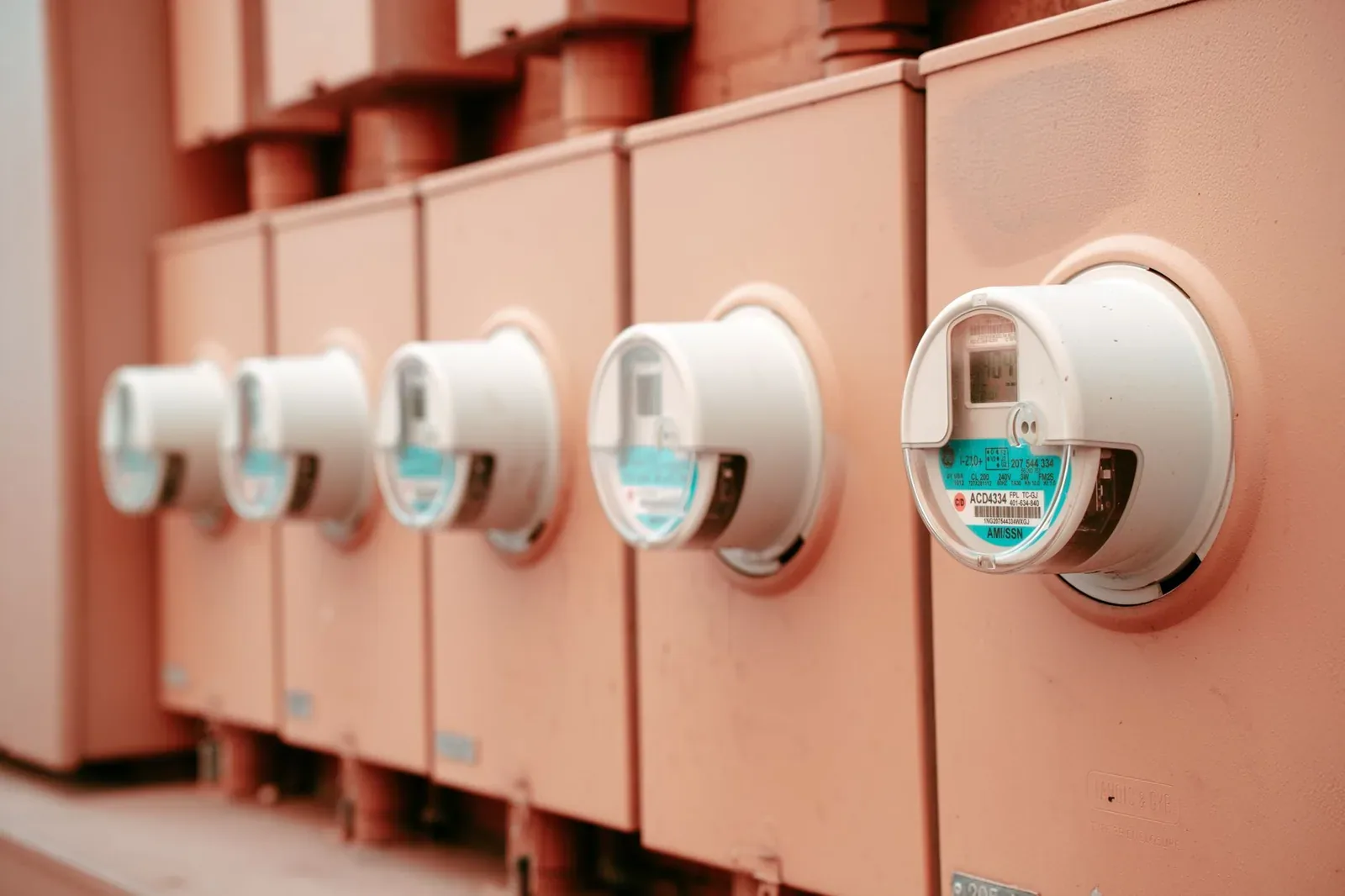
From 30 October, power bills will be clearer and more consistent, with charges explained in plain language. At the moment retailers don't have to set out bills the same way or list charges separately, according to the Electricity Authority's consumer guide. The Authority says the change will make plans easier to compare.
The change comes as households are paying more. Prices rose 6.8% on average for households and small businesses in the first half of 2026, after an 8.0% rise in 2025, according to Electricity Authority figures supplied by retailers. The data covers price changes between 1 November 2025 and 30 June 2026, from retailers that together serve about 98% of households and small businesses.
About 22% had no price change. For households whose price did change, the average rise was 8.7%.
Inflation figures tell the same story. Stats NZ data reported by the NZ Herald showed electricity costs rose 12% in the June year. Overall consumer prices rose 4.1%.
Where you live made a difference. Buller households had the lowest average rise, at 5.7%. Households in Queenstown and Central Otago had some of the highest.
The biggest cause was lines charges, which pay for building, running and maintaining the national grid and the local networks. They made up 54% of this year's increase, the Authority said. The rise was expected after Commerce Commission decisions in 2024 approved higher revenue limits for Transpower and lines companies. Those increases are spread over five years, and the Authority expects lines charges to keep rising until 2030, though more slowly.
The rest of the increase broke down differently depending on the type of retailer. For the gentailers, the big companies that both generate and sell power, energy costs made up 16.7% of the increase on average. Higher margins made up 16.2%. Another 10.6% was mostly from customers being moved from a cheaper retail brand to the parent brand. Gentailers generate much of their own electricity, so the Authority warned that their energy-cost and margin figures are "an indication, but not a full picture". For independent retailers, energy costs made up 44.6% of the increase and margins 7.4%.
Relief may be on the way. Prices for future electricity contracts have been falling since January. The Authority said retail prices are lagging behind falling wholesale prices. Retailers usually tell customers about price changes once a year, it said. It expects lower generation costs to benefit consumers shortly and help offset the higher lines charges due next year.
Energy Minister Simeon Brown has written to the chief executives of Meridian, Mercury, Genesis and Contact, the Herald reported. He said he expects falls in electricity futures prices to be reflected in power bills "without unnecessary delay". Auckland Business Chamber chief executive Simon Bridges wants to go further. He argued for splitting the generation and retail arms of the four companies, which control 85% of New Zealand's power generation.
New "level playing field" rules took effect on 1 July. Gentailers must now offer hedge contracts, deals that lock in a wholesale price ahead of time, to independent retailers on the same terms they give their own retail businesses. In practice, that means smaller retailers can buy power on the same terms as the big four, so they can compete on price. Gentailers have to show they're complying twice a year and could face financial penalties.
You don't have to wait for 30 October to check your own bill. You can ask your power company for an itemised bill for any period, showing your usage, costs and charges.
Then compare. The Authority runs a comparison site, Billy. People who started a switch through it saved about $82 on average, according to the Electricity Authority's release on this year's price rises.
The type of plan matters too:
- Low fixed charge plans are for people who use less than 8,000 kilowatt-hours of power a year, or 9,000 in parts of the lower South Island. You pay a lower daily charge but more for each unit.
- Controlled hot water gets you a lower rate. In return, the power company can switch your cylinder off when demand on the local network is high.
Appliance costs are easy to work out. At 20c per kilowatt-hour, a 2,000-watt heater costs 40 cents to run for an hour, the Authority's guide says.
More changes are coming. The Authority says customers will be protected from unexpectedly large back bills, and retailers will have to check whether customers are on the most suitable plan.