Petrol down 15c in four weeks as oil slides; diesel lags
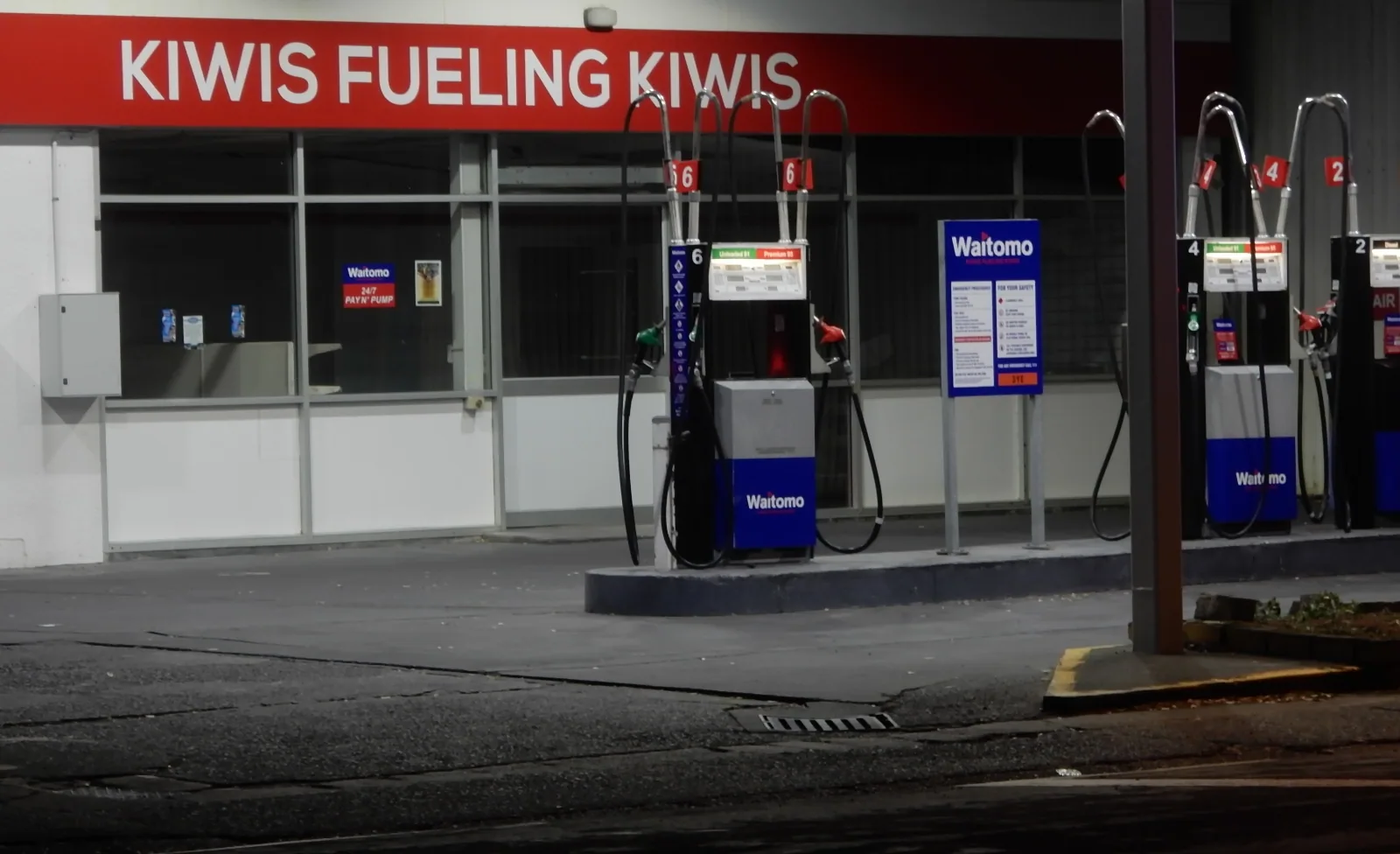
Gaspy data on NZ Fuel Watch, which says it is not affiliated with the government, put the national average for 91 petrol at $3.435 a litre on 10 November. That was 15.0c lower than 28 days earlier. Diesel averaged $3.090, down 11.1c. The averages cover more than 1,500 stations.
On the desk's arithmetic, 91 fell about 4.2% over the four weeks and diesel about 3.5%.
Premium 98 fell 17.4c to $3.755 and 95 fell 10.9c to $3.627.
Brent futures slipped 0.9% the same day, to US$91.73 a barrel at 5pm Auckland time, NBR reported.
Pump prices don't follow crude one-for-one. Z said in an RNZ report that New Zealand imports all of its refined fuel. That means local prices depend on international prices for refined fuel, freight costs and the exchange rate. Otago University economist Murat Ungor said in the same report that the country's petrol comes from Asian refiners whose prices follow global benchmarks, so "we feel the swings quickly".
Prices were still climbing in an earlier RNZ report, which cited Gaspy figures showing 91 at $3.52 a litre, up 15.9% over 28 days. Diesel was $3.23, up 18.25%, and 95 was $3.70. Petrol has since fallen 8.5c from that level. Diesel is down 14c.
Freight, farming and trade vehicles run on diesel, and those costs are coming down more slowly than drivers' petrol bills.
Fuel spending was still rising in September. ANZ data cited by RNZ showed it up 11.2% on a year earlier and 2.4% on August. Finimize reported that ANZ card spending rose 0.7% in October from September, seasonally adjusted, with fuel and motor vehicle purchases leading the increase. Annual card-spending growth edged up to 5.9% from 5.8%.
Z said petrol demand fell about 6% through the June and September quarters, and diesel demand fell about 3% to 4%.
Ungor said a short price spike can prompt some belt-tightening that tends to fade if prices fall back. A sustained rise is what changes bigger decisions, such as switching to a different vehicle.
Trading Economics said on 11 November that falling oil prices limited the NZX 50's loss that morning, because worries about inflation and expectations of interest rate rises eased.
Simplicity chief economist Shamubeel Eaqub said in the RNZ report that high fuel prices hurt provincial New Zealand most. He argued against treating the spike as a reason to raise rates: "the Reserve Bank has got us completely and utterly wrong," he said, because fuel inflation "just makes people poorer".