Ponsonby early learning centre shuts over recalled rangoli powder as Diwali nears
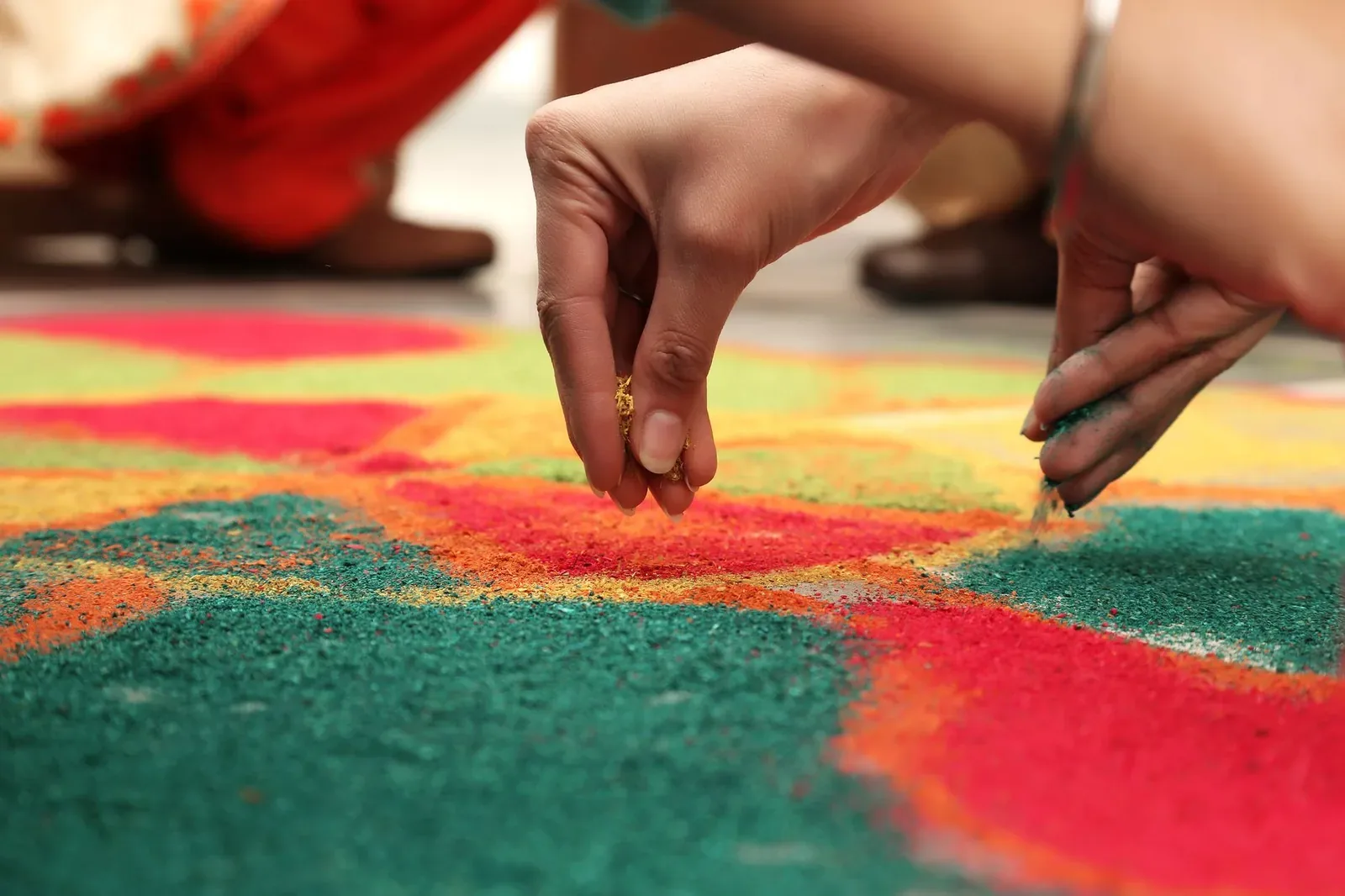
An early learning service in Ponsonby, Auckland, has temporarily closed after it may have used rangoli powder that is under recall because it could contain asbestos.
None of the published reports names the service. An Education Review Office spokesperson told the NZ Herald that ERO had been told about the closure, that steps had been taken to manage the health and safety risk, and that the service had told parents. ERO told RNZ that it "is following due process".
Rangoli powder is used for crafts. Indian households also use it to make coloured patterns on floors during festivals such as Diwali, RNZ reported. With Diwali coming up, many homes may have a packet in the cupboard.
The Herald reported that MBIE has published recall notices for five rangoli powder products. Details of two are below. The other three are listed with MBIE's Product Safety NZ recalls.
- Big Bazaar rangoli powder, sold in packs of six and 10 at the retailer's Auckland store and online from 31 October 2023 to 20 January 2026. Testing found fibres consistent with tremolite asbestos, 1News reported when the recall was issued in January.
- Rangoli Colour (barcode 0645759210685), sold at DH Supermarket Flatbush and DH Supermarket Papatoetoe from 15 October to 12 December 2025. Farm Fresh recalled it after testing found mineral fibres consistent with asbestos, according to the Product Safety NZ notice.
Early learning centres had been warned. The Ministry of Education's Early Learning Bulletin raised the issue on 3 September, Indian Weekender reported, and RNZ said ERO had earlier spread the word about the recall. A month later, a Ponsonby centre may still have had it in use.
What to do if you have it
The Product Safety NZ notice tells people to stop using the product immediately. Follow Health NZ's advice for households on containing, removing and getting rid of it safely. Contact the supplier about a refund. If you've had costs such as a clean-up, you may be able to claim them back under the Consumer Guarantees Act.
You don't need urgent medical attention, the notice says. Healthline is free on 0800 611 116 if you're worried.
WorkSafe New Zealand advises treating affected products as the more dangerous kind of asbestos material. A WorkSafe spokesperson told the Guardian that WorkSafe had consistently advised that any potentially affected products "must be managed, removed and disposed of as friable asbestos-containing material until proven otherwise", the Herald reported. Friable asbestos is the loose, crumbly kind that releases fibres easily.
Early learning services are expected to tell ERO about serious health and safety problems that affect how they run, the Herald reported. ERO said services that find a possible asbestos risk should take precautions, which "may include restricting access to affected areas, seeking advice from licensed asbestos professionals, and taking any necessary steps to protect children and staff". They must also keep parents and whānau informed.
The risk, in proportion
There is no known safe level of asbestos exposure, the Herald noted. But exposure doesn't cause immediate health problems. Related conditions usually develop over 15 to 40 years, according to Product Safety NZ.
Product Safety NZ also told 1News that most people with these products at home would have handled small amounts of asbestos, "very different to the greater risk for people who might be exposed during construction work or through the mining industry".
After the play sand recall
The rangoli recalls followed a nationwide recall of coloured play sand that tested positive for asbestos. Kmart alone sold 67,000 units, RNZ reported. Indian Weekender reported that the sand, sold through retailers including Kmart and The Warehouse, closed at least 16 schools and seven early learning services.
MBIE's first play sand recall notices said the asbestos was unlikely to get into the air during normal use. An AUT study later found fibres could be released during play, the Herald reported. MBIE said the businesses doing a voluntary recall decide what goes in the notice, not the ministry.
In July, the Guardian reported that safety assurances adopted by New Zealand and Australian officials came from a risk assessment the supplier had paid for, and that nobody had independently checked it. MBIE told the Herald it was incorrect to suggest it had relied on supplier safety assurances.
Sources
- Ponsonby early learning service closes over asbestos fears in recalled rangoli powder - NZ Herald
- Auckland early learning centre closes over asbestos fears in rangoli powder - RNZ
- Ponsonby early learning service closes over recalled rangoli powder, also used for Diwali - Indian Weekender
- Recall issued after rangoli powder tests positive for asbestos - 1News
- Rangoli Colour - sold at DH Supermarkets - Product Safety NZ
- RNZ Health news index