Watson appeal: Crown says case is 'overwhelming' without Wallace's montage identification
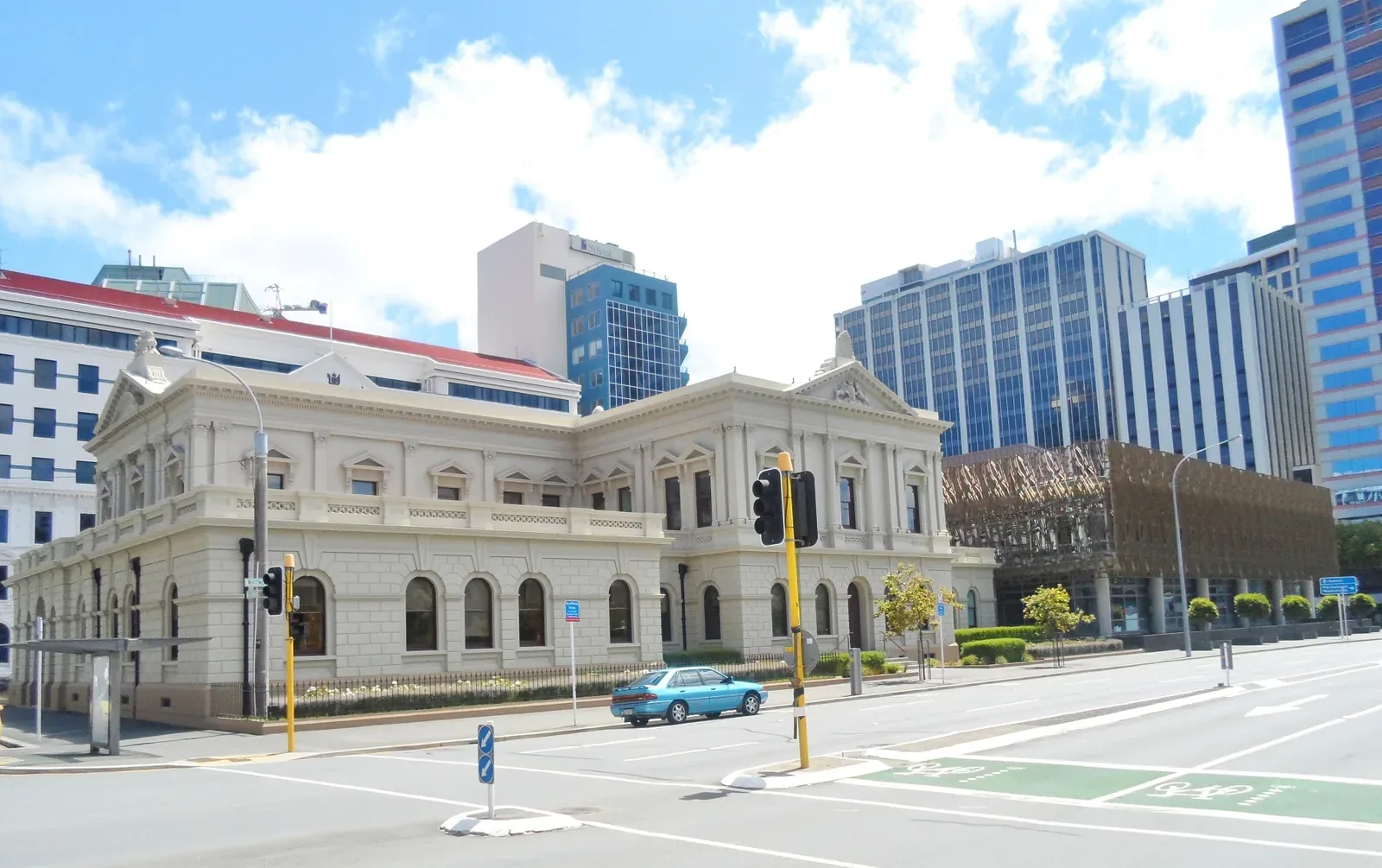
The Crown told the Supreme Court on Wednesday that its case against Scott Watson was "overwhelming" in 1999 and still is. On its argument, the convictions would hold even if the court removed the evidence of the witness who picked Watson out of a police photo montage.
Deputy Solicitor-General Madeleine Laracy gave the Crown's reply on the second and final day of the hearing in Scott Watson v The King (SC 109/2025). "The Crown's case is that this was, and remains, an overwhelming case," she told the five judges, the NZ Herald reported. She said Guy Wallace's identification from the montage was one strand of the evidence among many.
Watson was convicted of murdering Ben Smart and Olivia Hope, who disappeared in the Marlborough Sounds after New Year's celebrations in 1998. The Herald reports he was sentenced to life imprisonment with a 17-year minimum non-parole period after a 1999 jury trial in the High Court at Wellington. RNZ says he has been in prison for 27 years.
The appeal is narrow. In March 2026 the Supreme Court gave leave only on the reliability of Wallace's identification evidence. It refused the other grounds, including a challenge to the hair evidence, according to the Herald. The court isn't deciding whether Watson is guilty. It's deciding whether Wallace's identification should have gone to the jury and, if it shouldn't have, whether the trial was unfair enough that the convictions can't stand.
The Crown put most of its weight on the second question. Laracy pointed to the Court of Appeal's finding that removing the montage evidence would not materially weaken the Crown's case. That court dismissed Watson's appeal in September 2025 in a 291-page judgment. The case had been referred to it by Governor-General Dame Patsy Reddy in 2020.
Laracy said the Crown's closing at trial ran to almost 100 pages and never rested on Wallace. She read from it. If Watson was not the man on the water taxi, then a lone man like him "happened to have a yacht, happened to have moored his yacht out from the jetty. Happened to be in the same age range, late 20s or early 30s, happened to have an appearance which was so like Mr Watson as to mislead Mr Wallace into thinking it was the same man and also happened to have the same distinctive hairline that Amelia Hope recognised."
Stuart Baker, also for the Crown, said Wallace hadn't just caught a passing look at the lone man. He saw him at the lodge, in the garden bar and at the jetty, and the man told him he had come from Picton.
The judges' questions centred on the photograph itself. The Herald reports Watson was the only one of the eight men in Montage B whose eyes were half-closed. The trial judge called it "hooded eyes". Justice Joe Williams said he looked "half-cut or having an allergic reaction". Police had a second photo of Watson, looking to the left with his eyebrows raised.
"The reason it was chosen was the hooded eyes," Justice Williams suggested.
"I don't think we'd go that far," Baker replied.
Chief Justice Helen Winkelmann called it "quite an extraordinary photograph" and asked whether it was appropriate for police to choose a montage photo that matched witnesses' descriptions. Baker said it was, but there should be similarities between the faces chosen. He said police used the image because it was better than the first.
On Tuesday the defence argued Wallace had been primed. Nick Chisnall KC told the court police showed Wallace a single photograph of Watson on or around 8 January 1998 and he didn't recognise him, but changed his mind in an interview on 11 January, Law News reported. "It is well known that juries put inordinate weight on identification evidence," Chisnall said.
Baker answered each point. The montage wasn't shown to Wallace for three months because Watson had been asked to take part in an identity parade and declined. Nobody knows the circumstances of the January photo showing, Baker said, but it was a fleeting glance with no material effect. The only media image the Crown could find that Wallace was shown came in early February, and it was so poor he couldn't identify Watson from it. And Wallace was never cross-examined at trial about media influence, although other witnesses were.
If the Crown's argument succeeds, the convictions stand. If it fails, the court must decide what follows. Watson's lawyers asked that there be no retrial if the convictions are quashed, the Herald reported. On Tuesday Kerry Cook KC cited the passage of time and the media coverage, including books: "That's very difficult to unwind," she said, according to RNZ. She also told the court Wallace has died.
"This case is singular in the way in which the media and the nation has been captured by it, and that has implications," Cook said.
Sources
- Scott Watson appeal: Crown says case remains overwhelming without photo montage - NZ Herald
- Scott Watson's appeal being heard in Supreme Court - RNZ
- Scott Watson contests his double-murder conviction in the Supreme Court - Law News
- Lawyers claim police primed key witness in Scott Watson murder case - ODT
- Upcoming cases - Supreme Court - Courts of New Zealand
- Courts of New Zealand homepage