National promises paperless trans-Tasman trial before 2028 but Australia hasn't signed on
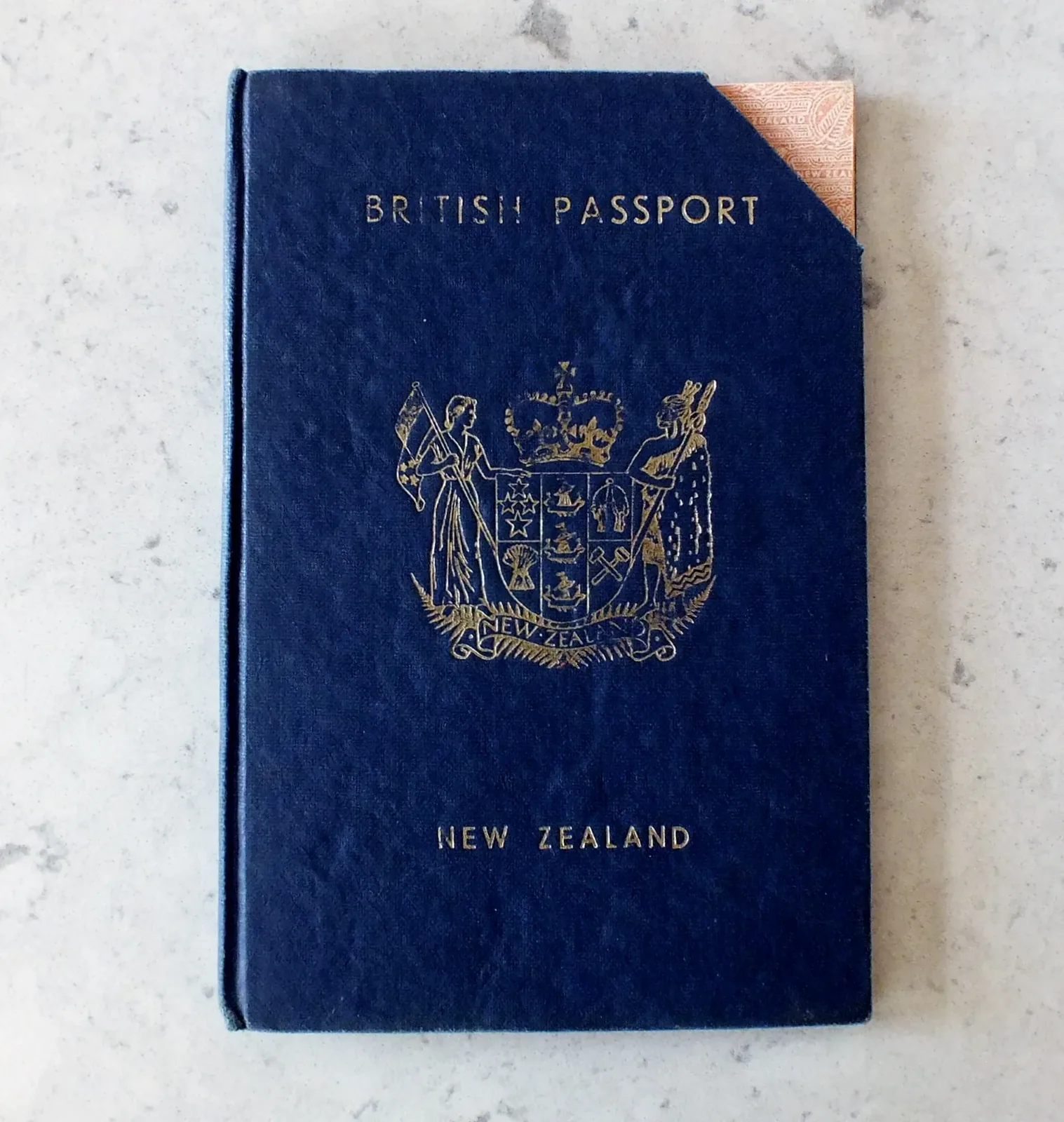
A re-elected National government would trial paperless travel across the Tasman before the 2028 ICC Men's T20 World Cup, Prime Minister Christopher Luxon said on 1 October. The plan depends on Australia. It is a campaign promise for the 7 November election, and nothing changes for travellers unless National wins and Australia agrees.
Luxon announced the policy at Coronet Peak near Queenstown, alongside National tourism spokesperson Louise Upston, 1News reported. "We want a fully digital trans-Tasman experience, where eligible travellers can rely on a smartphone, their digital credentials and biometric technology through more of the airport journey, and we intend to have a trial in place around that before 2028," he said.
Labour leader Chris Hipkins said the work started under Labour and asked why it had stalled.
"Albo and I talked about that when he visited New Zealand. I think it was July 2023. We agreed that we would get that work done within 12 months. What's taken them so long?" Hipkins said, according to 1News. He said Luxon had been "sceptical about the idea" at the time. "Maybe that's the reason it hasn't already happened... The Australians were on board with it. The Kiwis were on board with it. What's happened at the New Zealand end that means it hasn't happened?"
Luxon answered with an attack of his own: "You need National to get things done... We saw a Labour government for six years that failed to get anything done." But he also said the project had spanned successive governments, going back to the introduction of eGates in 2008/2009. National's own policy document says Albanese and Hipkins, then prime minister, set up a trans-Tasman travel group in 2023, and that Luxon and Albanese endorsed its work in August 2024, 1News reported.
Travellers would still need a passport. Under National's plan, travellers would register ahead of time by submitting their passport and travel details digitally before departure, then complete the NZ Traveller Declaration before flying. On arrival they would use a dedicated trans-Tasman lane at Auckland, Wellington, Christchurch or Queenstown airport. Biosecurity rules and bag checks would still apply. Anyone who set off a border alert, couldn't be matched to their passport or made a declaration that needed a closer look would go back into normal processing.
"You still need a valid passport. You don't actually have to now physically pull out your passport," Julie White, chief executive of the Travel Agents Association, told PMN.
White called the plan "a great step forward" but said "the devil will be in the detail and especially around implementation". She pointed to the European Union's biometric rollout as a warning: "The tech piece failed when they first rolled it out and we, some of our travellers, were caught out in a four-hour delay." She suggested the system could eventually be extended to digital customs clearance for cruise passengers.
National's policy document only covers changes at New Zealand airports, 1News reported. "We'll work it through with the Australians," Luxon said. "We've got two years before the international cricket competition comes here." Neither 1News nor PMN reported any comment from the Australian government, the Department of Home Affairs or Australian Border Force.
Albanese's public position in 2023 was more cautious than Hipkins now suggests. After the Wellington talks that year, AAP reported him saying passport-free travel was not on the agenda. He described the goal as smoother movement "from country to country", which could include smart gates working with both countries' systems "so that before you get on a plane in either country it's already recognised that you're OK to come in". Hipkins said at the time that the working group would look for ways to "reduce barriers at the border, while not compromising our security".
Tourism and Transport Forum Australia chief executive Margy Osmond called the working group a "fantastic first step". She told AAP: "We hope to see a trial or pilot program potentially in place by the end of next year." That was 2023. Now National is promising a trial before 2028.
Travel across the Tasman used to be simpler. Australians and New Zealanders crossed without passports from 1973 until 1981, 1News reported. Australia then started requiring passports, partly because of fears that terrorists and drug traffickers could pose as New Zealanders. New Zealand did the same in 1987.